Category Purpose
Longevity peptides are studied for their involvement in cellular aging pathways, genomic stability, immune resilience, and lifespan-associated signaling. Research in this category targets long-term cellular health, focusing on mechanisms that support sustained vitality and age-related decline mitigation.
NanoMatrix™ Synergy
Russian Longevity Peptides for Advanced Aging & Cellular Research
Russian longevity peptides are research peptides studied for their potential role in healthy aging, cellular communication, mitochondrial function, and age-related biological processes. At Ascenda Labs, we offer a premium selection of research-grade peptides, including EPITHALON, MOTS-C, SS-31, and THYMALIN, to support laboratory and preclinical research.
These longevity peptides are commonly investigated for their involvement in cellular health, energy metabolism, oxidative stress, immune function, and mitochondrial research. Each peptide offers unique scientific applications, helping researchers explore different aspects of longevity and regenerative science.
Why Researchers Choose Ascenda Labs
- Third-party HPLC tested for purity and quality
- High-purity, research-grade peptides
- Certificate of Analysis (COA) available
- Manufactured under strict quality standards
- Secure packaging for product integrity
- Fast and reliable shipping
- Dedicated customer support for researchers
Every peptide in our Russian Longevity collection is supplied exclusively for laboratory research purposes and is trusted by researchers seeking reliable compounds for longevity, mitochondrial, and cellular biology studies.
What Are Russian Longevity Peptides?
Russian longevity peptides are a class of peptide bioregulators developed through decades of aging and cellular biology research. Scientists study these peptides to better understand cellular communication, mitochondrial function, DNA maintenance, oxidative stress, and other biological processes associated with aging.
This category includes EPITHALON, MOTS-C, SS-31, and THYMALIN, each with a unique research focus ranging from telomere biology and mitochondrial health to immune function and metabolic regulation. At Ascenda Labs, every peptide is third-party tested for purity and supplied exclusively for research purposes, supporting high-quality scientific studies in longevity research.
Why Researchers Study Longevity Peptides
Longevity peptides are widely studied for their potential to improve our understanding of the biological processes associated with aging. Researchers investigate how these peptides interact with cellular pathways involved in mitochondrial function, oxidative stress, DNA maintenance, energy metabolism, and immune regulation. While research is ongoing, these compounds continue to play an important role in laboratory studies focused on healthy aging and cellular health.
Unlike traditional compounds, many longevity peptides are explored for their ability to support cellular communication and tissue-specific biological functions. This makes them valuable research tools for scientists studying age-related changes and regenerative biology.
Potential Research Areas
Cellular Longevity
Researchers investigate longevity peptides to better understand cellular aging, regeneration, and mechanisms involved in maintaining healthy cell function over time.
Mitochondrial Function
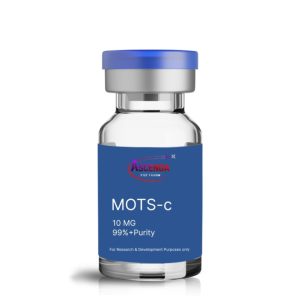
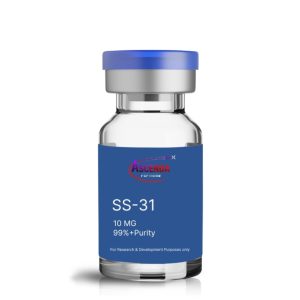
Peptides such as MOTS-C and SS-31 are commonly studied for their role in mitochondrial health, ATP production, cellular energy, and oxidative stress.
Healthy Aging
Scientists explore how longevity peptides may contribute to research on biological aging, cellular resilience, and age-related physiological changes.
Recovery Research
Certain peptides are investigated for their involvement in cellular repair processes and recovery following physiological stress.
Immune Function
THYMALIN is studied for its potential role in immune system regulation and cellular communication, supporting research into immune aging.
Metabolic Research
MOTS-C is frequently researched for its connection to metabolic health, glucose regulation, and energy metabolism, making it an important peptide in metabolic and mitochondrial research.
Explore Our Russian Longevity Peptides
At Ascenda Labs, our Russian Longevity collection includes research-grade peptides selected for their relevance to aging, mitochondrial science, metabolic health, and immune research. Each peptide is manufactured to high quality standards, third-party HPLC tested for purity, and intended exclusively for laboratory research use.
Whether your research focuses on cellular longevity, mitochondrial function, or healthy aging, our collection provides reliable peptides to support advanced scientific investigations.
EPITHALON
EPITHALON is one of the most recognized Russian bioregulator peptides and is widely studied in longevity research. Researchers investigate its potential role in cellular aging, telomere biology, and cellular communication, making it a popular choice for studies focused on healthy aging and regenerative science.
Research Focus
- Cellular longevity
- Telomere research
- Healthy aging
- Cellular communication
MOTS-C
MOTS-C is a mitochondria-derived peptide researched for its involvement in cellular energy production and metabolic regulation. It is commonly used in studies exploring mitochondrial function, exercise physiology, and metabolic health.
Research Focus
- Mitochondrial function
- Energy metabolism
- Cellular energy
- Metabolic research
SS-31
SS-31, also known as Elamipretide, is a research peptide studied for its interaction with mitochondrial membranes and its potential role in maintaining mitochondrial function. It is frequently investigated in research related to oxidative stress and cellular energy production.
Research Focus
- Mitochondrial health
- Oxidative stress
- ATP production
- Cellular energy
THYMALIN
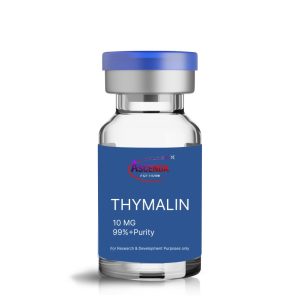
THYMALIN is a Russian peptide bioregulator studied for its potential role in immune function, cellular communication, and healthy aging. Researchers continue to explore its applications in immune system and age-related biological research.
Research Focus
- Immune function
- Cellular communication
- Healthy aging
- Russian bioregulator research
How to Choose the Right Longevity Peptide
Choosing the right longevity peptide depends on your research objectives. Each peptide in our Russian Longevity collection offers unique applications in aging, mitochondrial, metabolic, and immune-related research.
| Research Goal | Recommended Peptide |
| Cellular longevity & telomere research | EPITHALON |
| Mitochondrial function & ATP production | SS-31 |
| Energy metabolism & metabolic health | MOTS-C |
| Immune function & healthy aging | THYMALIN |
Related Peptide Categories
Explore additional research peptides available at Ascenda Labs:
- Mitochondrial Health Peptides
- Brain Health Peptides
- Metabolic Health Peptides
- Anti-Inflammatory Peptides
- Muscle Growth Peptides
- Gut Health Peptides
Frequently Asked Questions
What are Russian longevity peptides?
Russian longevity peptides are research peptides studied for their potential role in cellular aging, mitochondrial function, immune regulation, and other biological processes associated with healthy aging.
How are Russian bioregulator peptides different?
Russian bioregulator peptides are short peptide compounds designed to study tissue-specific cellular communication and biological regulation. They are commonly researched in longevity and regenerative science.
What are longevity peptides studied for?
Researchers investigate longevity peptides to better understand cellular aging, mitochondrial health, oxidative stress, energy metabolism, DNA maintenance, and immune function.
Which peptide supports mitochondrial research?
SS-31 and MOTS-C are widely studied for mitochondrial function, cellular energy production, and metabolic research.
What is the difference between EPITHALON and THYMALIN?
EPITHALON is primarily researched for cellular longevity and telomere biology, while THYMALIN is commonly studied for immune function, cellular communication, and healthy aging.
What is MOTS-C commonly researched for?
MOTS-C is frequently investigated for its role in energy metabolism, mitochondrial function, exercise physiology, and metabolic health.
Can multiple longevity peptides be researched together?
Researchers may study multiple longevity peptides to investigate complementary biological pathways. However, the appropriate research design depends on the objectives and methodology of each study.
Advance Your Longevity Research with Ascenda Labs
Discover a trusted selection of Russian longevity peptides designed to support cutting-edge laboratory research in healthy aging, mitochondrial biology, metabolism, and immune function. From EPITHALON and MOTS-C to SS-31 and THYMALIN, every peptide is manufactured to rigorous quality standards, third-party HPLC tested for purity, and intended exclusively for research use.
Browse our collection today and find the high-quality research peptides your laboratory needs to advance longevity science with confidence.