NanoMatrix™ Synergy
Metabolic Health Peptides for Advanced Research
Explore premium metabolic health peptides developed for advanced scientific research. At Ascenda Labs, we offer carefully selected research compounds commonly studied for metabolism, energy expenditure, fat oxidation, mitochondrial function, and metabolic efficiency. Our Metabolic Health collection features high-purity 5-Amino-1MQ, AOD-9604, and SLU-PP-322 (SLUPP-32X), manufactured to rigorous research-grade standards and supported by third-party testing and a Certificate of Analysis (COA).
Why Researchers Choose Ascenda Labs
- Third-Party Tested
- HPLC Verified Purity
- Research Grade Quality
- Certificate of Analysis Available
- Secure Packaging
- Fast Shipping
- Research Use Only
What Are Metabolic Health Peptides?
Metabolic health peptides are research compounds commonly studied for their potential involvement in energy production, nutrient utilization, cellular metabolism, and metabolic signaling pathways. Researchers use these compounds to better understand how biological systems regulate energy balance, adapt to metabolic demands, and maintain cellular function.Â
Many metabolic peptides are investigated for their relationship with fat metabolism, mitochondrial activity, energy expenditure, and exercise adaptation. As interest in metabolic science continues to grow, these compounds have become valuable tools for exploring complex biological processes related to metabolic efficiency and cellular energy regulation.
At Ascenda Labs, our Metabolic Health collection includes 5-Amino-1MQ, AOD-9604, and SLU-PP-322 (SLUPP-32X), three innovative research compounds that offer unique opportunities for studying metabolic pathways, energy utilization, and metabolic adaptation in advanced laboratory research.
Why Researchers Study Metabolic Health Peptides
Fat Metabolism Research
Fat metabolism remains one of the most actively studied areas of metabolic science. Researchers investigate biological pathways responsible for fat storage, fat utilization, and energy balance to better understand how cells regulate fuel sources. Metabolic health peptides are frequently examined for their relationship with signaling pathways involved in lipolysis and adipose tissue activity.
Understanding fat metabolism can help researchers gain insights into how biological systems manage energy reserves and respond to metabolic challenges.
Energy Expenditure Studies
Energy expenditure refers to the amount of energy utilized by biological systems to maintain cellular function and physiological activity. Scientists study metabolic peptides to explore how energy production pathways are regulated and how cells adapt to changing energy demands.
Research in this area often focuses on mitochondrial activity, cellular energy generation, and mechanisms involved in maintaining metabolic efficiency.
Metabolic Efficiency Research
Metabolic efficiency describes how effectively biological systems convert nutrients into usable energy. Researchers investigate compounds that may influence metabolic regulation, nutrient processing, and energy utilization pathways.
Improving scientific understanding of metabolic efficiency may provide valuable insights into broader metabolic processes and adaptive cellular responses.
Mitochondrial Function Research
Mitochondria are commonly referred to as the powerhouses of the cell because they play a critical role in energy production. Researchers study metabolic peptides to better understand mitochondrial signaling, cellular respiration, and energy generation pathways.
Because mitochondrial function is closely connected to metabolic health, this area continues to attract significant scientific interest.
Exercise Mimetic Research
Exercise mimetics represent an emerging area of metabolic research focused on compounds that may interact with pathways commonly associated with physical activity and energy utilization. Researchers investigate these compounds to explore exercise adaptation mechanisms and metabolic signaling pathways involved in endurance and energy expenditure.
Popular Metabolic Health Peptides
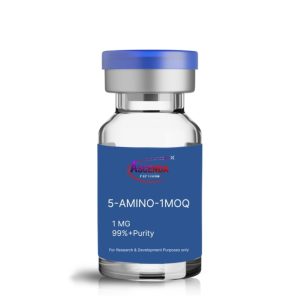
5-Amino-1MQ
5-Amino-1MQ is one of the most widely discussed metabolic research compounds in recent years. Researchers commonly study this compound in relation to metabolic efficiency, cellular energy utilization, and NNMT-related pathways.
Scientific interest in 5-Amino-1MQ stems from its potential involvement in mechanisms associated with nutrient utilization and metabolic regulation. Researchers continue exploring its role within broader metabolic signaling networks and its potential relevance to energy metabolism studies.
Common Research Areas
- Metabolic efficiency
- Cellular metabolism
- Energy utilization
- NNMT pathway research
- Metabolic signaling
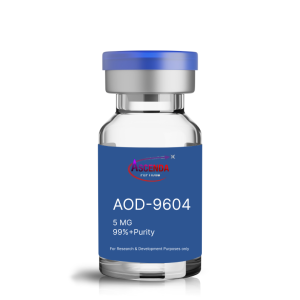
AOD-9604
AOD-9604 is a synthetic peptide derived from HGH Fragment 176-191 and is frequently investigated in studies related to fat metabolism and lipolysis pathways. It has become a popular compound among researchers interested in metabolic signaling and adipose tissue biology.
Scientists often explore AOD-9604 for its relationship with pathways involved in fat oxidation, energy balance, and metabolic adaptation.
Common Research Areas
- Fat metabolism
- Lipolysis research
- Adipose tissue studies
- Energy regulation
- Metabolic signaling
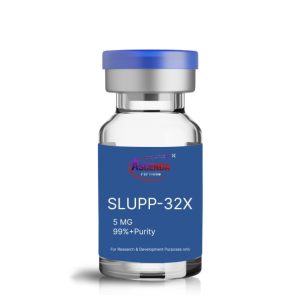
SLU-PP-322 (SLUPP-32X)
SLU-PP-322 is an emerging research compound attracting attention for its association with exercise mimetic and endurance-related pathways. Researchers study this compound to better understand energy expenditure mechanisms and metabolic adaptation processes.
As interest in exercise mimetics grows, SLU-PP-322 has become a noteworthy subject of investigation within metabolic research communities.
Common Research Areas
- Exercise mimetic pathways
- Energy expenditure
- Endurance signaling
- Metabolic adaptation
- Cellular energy regulation
Best Peptides for Metabolic Health Research
5-Amino-1MQ and Metabolic Efficiency Research
Researchers interested in metabolic efficiency frequently investigate pathways that regulate nutrient processing and cellular energy utilization. 5-Amino-1MQ has become a significant area of interest due to its relationship with NNMT-associated pathways and metabolic signaling mechanisms.
Ongoing research continues to explore how this compound may contribute to scientific understanding of energy metabolism and metabolic regulation.
AOD-9604 and Fat Metabolism Research
AOD-9604 remains one of the most recognized compounds in fat metabolism research. Scientists study its potential interactions with lipolysis pathways and adipose tissue signaling mechanisms to gain a deeper understanding of energy balance and fat utilization.
Its connection to HGH Fragment 176-191 research has made it a prominent compound within the metabolic research field.
SLU-PP-322 and Exercise Mimetic Research
SLU-PP-322 is increasingly being investigated for its potential involvement in pathways associated with exercise adaptation and energy expenditure. Researchers are particularly interested in understanding how this compound may influence endurance-related metabolic signaling and cellular energy regulation.
Research Behind Metabolic Health Peptides
The scientific study of metabolism encompasses numerous interconnected biological pathways responsible for energy production, nutrient utilization, and cellular adaptation. Metabolic peptides provide researchers with valuable tools for exploring these systems and understanding how metabolic processes function at the cellular level.
Current areas of investigation include:
- Metabolic signaling pathways
- Cellular energy regulation
- Fat oxidation mechanisms
- Mitochondrial biology
- Exercise adaptation pathways
- Nutrient sensing networks
- Metabolic flexibility research
Quality Standards at Ascenda Labs
Third-Party Testing
Products undergo independent analytical testing to support quality verification and consistency.
HPLC Purity Testing
High-performance liquid chromatography (HPLC) testing is utilized to verify peptide purity and support research quality standards.
Certificate of Analysis (COA)
Comprehensive COA documentation is available to provide transparency regarding product specifications and testing results.
Research-Grade Manufacturing
Products are manufactured according to strict quality-control procedures designed to support laboratory research applications.
Storage Guidelines
Researchers should follow recommended storage practices to help maintain peptide stability and product integrity.
Research Use Only
All products offered by Ascenda Labs are intended strictly for scientific and laboratory research purposes.
How to Choose the Right Metabolic Health Peptide
Selecting the appropriate peptide depends on the objectives of your research project.
| Research Goal | Recommended Compound |
| Metabolic Efficiency Research | 5-Amino-1MQ |
| Fat Metabolism Research | AOD-9604 |
| Exercise Mimetic Research | SLU-PP-322 |
Purity Considerations
When evaluating metabolic peptides, researchers should prioritize:
- HPLC-verified purity
- Third-party testing
- Certificate of Analysis availability
- Manufacturing quality standards
- Product consistency
Storage Recommendations
Proper handling and storage are essential for maintaining peptide quality. Researchers should follow storage instructions provided with each product and implement best practices for peptide preservation.
Research Compatibility
Many researchers investigate overlapping themes across metabolic health compounds, including cellular energy regulation, metabolic adaptation, fat metabolism, and energy expenditure pathways. Studying these interconnected systems may provide broader insights into metabolic biology.
Explore Related Research Categories
Expand your research by exploring additional peptide categories:
- Anti-Inflammatory Peptides
- Brain Health Peptides
- Fat Loss Peptides
- Gut Health Peptides
- Longevity Peptides
- Muscle Growth Peptides
Frequently Asked Questions About Metabolic Health Peptides
What are metabolic health peptides?
Metabolic health peptides are research compounds commonly studied for their potential roles in metabolism, energy regulation, cellular signaling, and metabolic adaptation pathways.
What is 5-Amino-1MQ used for in research?
Researchers commonly investigate 5-Amino-1MQ for metabolic efficiency, cellular metabolism, energy utilization, and NNMT-related research pathways.
What is AOD-9604?
AOD-9604 is a synthetic peptide derived from HGH Fragment 176-191 and is frequently studied in fat metabolism and lipolysis research.
Is AOD-9604 the same as HGH Fragment 176-191?
AOD-9604 is derived from the HGH Fragment 176-191 sequence and is commonly referenced in research involving fat metabolism pathways.
What is SLU-PP-322 (SLUPP-32X)?
SLU-PP-322 is an emerging exercise mimetic research compound studied for its potential involvement in energy expenditure and metabolic adaptation pathways.
What is an exercise mimetic peptide?
Exercise mimetic peptides are research compounds investigated for their interactions with biological pathways associated with exercise adaptation and energy utilization.
Which peptides are commonly researched for fat metabolism?
AOD-9604 is among the most commonly studied compounds associated with fat metabolism and lipolysis-related pathways.
Are metabolic peptides intended for research use only?
Yes. All metabolic health peptides offered by Ascenda Labs are intended strictly for scientific and laboratory research purposes.
Shop Premium Metabolic Health Peptides
Advance your research with high-purity metabolic health peptide products from Ascenda Labs. Explore 5-Amino-1MQ, AOD-9604, and SLU-PP-322 (SLUPP-32X), specialized research compounds supporting studies into metabolic efficiency, fat metabolism, energy expenditure, mitochondrial function, cellular energy production, and exercise adaptation pathways.