Category Purpose
Dermal & Skin peptides are studied for their involvement in collagen synthesis, tissue remodeling, and skin integrity signaling. Research applications include skin repair, elasticity, and cosmetic tissue health.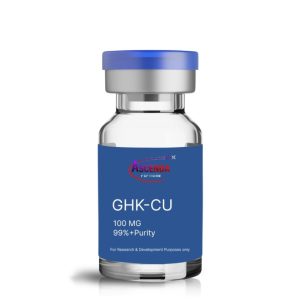
NanoMatrix™ Synergy
Dermal & Skin Peptides for Research
Dermal & skin peptides are widely studied in regenerative and cosmetic research for their potential roles in cellular signaling, collagen-related pathways, tissue remodeling, and skin health research. Scientists investigate compounds such as skin repair peptides, skin regeneration peptides, and GHK-CU peptide to better understand extracellular matrix activity and connective tissue biology.
At Ascenda Labs, we provide high-quality research peptides that support laboratory studies focused on skin regeneration, collagen synthesis, tissue support, and regenerative peptide research.
Why Researchers Choose Ascenda Labs
- High-purity research peptides
- Third-party tested for quality assurance
- Transparent product information
- Secure packaging and reliable shipping
- Dedicated customer support
- Trusted by researchers worldwide
What Are Dermal & Skin Peptides?
Dermal peptides and skin peptides are short chains of amino acids that participate in cellular signaling and biological communication pathways. Naturally occurring peptides exist throughout the body and help coordinate a wide range of physiological processes.
In research settings, scientists investigate these peptides to better understand how cells communicate during tissue maintenance, regeneration, and structural support. Many studies focus on peptide interactions with fibroblasts, extracellular matrix components, and collagen-related pathways.
Peptide Signaling Research
Peptides function as biological messengers, transmitting signals between cells. Researchers examine how specific signaling peptides may influence cellular responses involved in skin integrity and connective tissue research.
Naturally Occurring Peptides
Many dermal peptides are naturally present within biological systems. Their natural occurrence makes them particularly interesting for studies exploring cellular regulation and regenerative mechanisms.
Cellular Communication
One major area of interest is how peptides contribute to cell-to-cell communication. Understanding these signaling networks may help researchers better characterize pathways involved in tissue remodeling and biological maintenance.
Collagen-Related Pathways
Collagen is a primary structural protein found throughout connective tissues. Researchers frequently study collagen-associated peptides to understand how signaling pathways may influence extracellular matrix activity and structural protein regulation.
Extracellular Matrix Research
The extracellular matrix provides structural support to tissues and plays a vital role in cellular organization. Many regenerative peptides are investigated for their potential interactions with extracellular matrix components and related biological pathways.
Tissue Support Research
Scientists continue to explore how skin repair peptides and cosmetic peptides participate in broader tissue-support mechanisms, contributing valuable insights into regenerative biology and dermal research models.
Why Researchers Study Dermal & Skin Peptides
Interest in skin regeneration peptides, collagen peptides, and other dermal compounds has expanded significantly due to their involvement in several important areas of biological research. Researchers use these peptides to investigate skin health, connective tissue biology, extracellular matrix function, and cellular communication pathways.
Collagen Synthesis Research
Collagen remains one of the most studied structural proteins in the body. Researchers explore collagen synthesis pathways to better understand how fibroblasts and other cells contribute to tissue maintenance and extracellular matrix organization.
Many peptide studies focus on:
- Structural protein research
- Fibroblast signaling mechanisms
- Collagen-related biological pathways
- Extracellular matrix interactions
- Connective tissue support processes
These investigations help researchers build a deeper understanding of tissue structure and biological signaling networks.
Skin Regeneration Research
One of the most active areas of peptide science involves the study of skin regeneration peptides and their potential roles in biological repair pathways. Researchers investigate how peptide signaling may influence cellular communication associated with tissue maintenance, structural integrity, and regenerative processes.
Studies in this field often focus on:
- Skin integrity research
- Dermal regeneration pathways
- Cellular repair mechanisms
- Extracellular matrix activity
- Connective tissue support systems
Scientists examine how cells respond to signaling molecules during normal biological maintenance and regenerative processes. By studying these interactions, researchers can better understand the mechanisms that contribute to tissue organization and structural support.
Tissue Remodeling Research
Tissue remodeling peptides are frequently investigated for their involvement in biological pathways associated with connective tissue adaptation and extracellular matrix regulation.
Research commonly explores:
- Connective tissue studies
- Structural protein interactions
- Cellular communication networks
- Regenerative signaling pathways
- Matrix remodeling mechanisms
Tissue remodeling is a natural biological process that helps maintain tissue function and organization. Peptide-based research provides valuable insight into the signaling events that help regulate these complex systems.
Anti-Aging Peptide Research
Researchers are increasingly interested in understanding age-related biological changes and how peptide signaling may interact with pathways associated with tissue maintenance over time.
Common areas of investigation include:
- Cellular communication during aging
- Structural protein regulation
- Skin-support pathways
- Connective tissue biology
- Regenerative signaling mechanisms
Rather than focusing on cosmetic outcomes, scientific studies typically examine the underlying biological processes involved in tissue function and cellular activity.
Cosmetic Peptide Research
Cosmetic peptides represent another important area of scientific exploration. Researchers investigate how peptide signaling influences pathways associated with skin quality, appearance-related biological factors, and extracellular matrix organization.
Research topics often include:
- Skin appearance studies
- Cellular signaling pathways
- Tissue-support mechanisms
- Structural protein research
- Skin quality investigations
These studies contribute to a broader understanding of dermal biology and regenerative science.
Common Research Areas for Dermal & Skin Peptides
Dermal and skin peptides are studied across several scientific disciplines. Researchers use these compounds to investigate biological pathways related to connective tissue, extracellular matrix function, cellular signaling, and regenerative processes.
| Research Area | Common Focus |
| Skin Research | Elasticity and appearance studies |
| Collagen Research | Structural protein pathways |
| Tissue Research | Remodeling mechanisms |
| Cosmetic Research | Skin quality investigations |
| Hair Research | Follicle signaling studies |
| Regenerative Research | Cellular communication pathways |
The versatility of skin regeneration peptides, collagen peptides, and other regenerative peptides makes them valuable tools for exploring a wide range of biological systems.
Popular Dermal & Skin Peptides
Several peptides have become especially prominent within skin and regenerative research due to their unique biological characteristics and extensive scientific interest.
| Peptide | Research Focus |
| GHK-CU | Skin and collagen research |
| Copper Peptides | Cellular signaling studies |
| Cosmetic Peptides | Skin appearance research |
| Regenerative Peptides | Tissue support pathways |
GHK-CU Peptide
The GHK-CU peptide is among the most widely researched compounds in dermal biology. This naturally occurring copper peptide has been extensively studied for its potential involvement in collagen-related pathways, extracellular matrix activity, and cellular communication processes.
Researchers frequently include GHK-CU in studies focused on:
- Skin health research
- Collagen synthesis pathways
- Tissue remodeling investigations
- Regenerative biology
- Cellular signaling mechanisms
Copper Peptides
Copper peptides continue to attract significant scientific attention due to their association with biological signaling pathways. Researchers investigate these compounds to better understand their interactions within connective tissue and extracellular matrix systems.
Related Collections:
- GHK-CU Research Collection
- Repair & Regenerative Peptides
- Skin & Cosmetic Research Peptides
- Research Peptide Collections
The growing body of research surrounding these peptides continues to support their importance in modern regenerative and skin biology studies.
GHK-CU Compared With Other Research Peptides
Researchers often compare GHK-CU with other peptides based on their primary areas of scientific investigation.
| Peptide | Research Focus |
| GHK-CU | Skin and collagen research |
| BPC-157 | Tissue recovery research |
| TB-500 | Cellular migration research |
| KPV | Gut and inflammatory pathway research |
| Epitalon | Longevity and aging research |
| MOTS-c | Metabolic research |
| CJC-1295 | Growth hormone signaling research |
Key Characteristics of Dermal & Skin Peptides
Dermal and skin peptides share several characteristics that contribute to their popularity within scientific research.
Key characteristics include:
- Studied in skin health research
- Investigated in collagen synthesis pathways
- Associated with tissue remodeling research
- Examined for cellular signaling activity
- Commonly used in cosmetic peptide research
- Frequently explored in regenerative studies
- Linked to extracellular matrix research
- Widely studied in dermal biology
How to Choose the Right Dermal & Skin Peptide
Selecting the appropriate dermal & skin peptide depends on your research objectives, study design, and the biological pathways being investigated. Researchers typically begin by identifying the specific mechanisms or areas of interest they want to explore before selecting a peptide for laboratory use.
Define Your Research Goals
Different peptides are associated with different research applications. Establishing clear objectives can help narrow your selection and ensure compatibility with your study requirements.
Common research interests include:
- Skin health research
- Collagen synthesis studies
- Tissue remodeling investigations
- Cosmetic peptide research
- Cellular signaling research
- Extracellular matrix studies
- Connective tissue biology
- Regenerative peptide research
Understanding your research focus can help determine whether compounds such as GHK-CU peptide, copper peptides, or other skin regeneration peptides are most relevant to your investigation.
Evaluate Product Quality
Quality should always be a primary consideration when sourcing research peptides.
Researchers commonly evaluate:
- Third-party testing verification
- Certificates of Analysis (COAs)
- Product consistency
- Manufacturing standards
- Purity specifications
- Documentation transparency
Working with a reputable supplier helps ensure greater confidence in research materials and experimental outcomes.
Review Storage Requirements
Proper storage practices are essential for maintaining peptide integrity. Researchers should always follow manufacturer recommendations regarding storage conditions, handling procedures, and preparation protocols.
Maintaining product stability can help support reliable and consistent research results over time.
Assess Research Compatibility
Not all peptides are suitable for every study. Researchers should carefully evaluate whether a peptide aligns with the biological pathways, cellular models, and scientific objectives of their project.
Factors to consider include:
- Research focus
- Target biological mechanisms
- Existing scientific literature
- Study design requirements
- Laboratory protocols
Choosing the right peptide ultimately supports more focused and meaningful scientific investigations.
Explore Related Research Peptide Categories
Researchers interested in dermal and skin biology often explore additional peptide categories that may complement broader scientific investigations.
Related peptide collections include:
- Repair & Regenerative Peptides
- Longevity Peptides
- Brain Health Peptides
- Metabolic Peptides
- Muscle Growth Peptides
- Research Peptide Collections
These categories provide researchers with access to compounds studied across a variety of biological systems and scientific disciplines.
Frequently Asked Questions About Dermal & Skin Peptides
What are dermal and skin peptides?
Dermal and skin peptides are amino acid chains studied for cellular signaling, collagen pathways, tissue support, extracellular matrix function, and regenerative skin biology research.
What are skin peptides studied for?
Skin peptides are studied for skin health research, collagen synthesis, tissue remodeling, cellular signaling, and regenerative biology to understand dermal function and repair mechanisms.
What is GHK-CU peptide?
GHK-CU is a copper peptide widely studied for collagen synthesis, extracellular matrix activity, tissue remodeling, and skin-support and regenerative biological research pathways.
Are skin peptides used in cosmetic research?
Yes, cosmetic peptides are studied to understand skin appearance, cellular communication, tissue structure, collagen pathways, and connective tissue biological processes in research.
What makes skin peptides unique?
Skin peptides are unique due to their role in cellular signaling, collagen regulation, extracellular matrix interactions, and regenerative biological processes in skin research.
How do researchers choose dermal peptides?
Researchers choose dermal peptides based on research goals, biological targets, scientific literature, product quality, and compatibility with experimental design and study requirements.
Shop Premium Dermal & Skin Peptides
Advance your research with quality-tested dermal and skin peptide products from Ascenda Labs. Explore GHK-CU (Copper Peptide) and other specialized solutions supporting investigations into collagen synthesis, skin regeneration, tissue remodeling, cellular signaling, and advanced dermal biology research.