
Category Purpose
Mitochondrial peptides are studied for their role in cellular energy production, oxidative metabolism, and mitochondrial efficiency. Research in this category focuses on improving ATP output, cellular resilience, and metabolic flexibility, which are foundational to endurance, recovery, and healthy aging.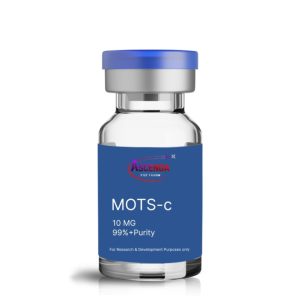
NanoMatrix™ Synergy
Mitochondrial Peptides for Cellular Energy & Metabolic Research
Explore premium mitochondrial peptides developed for advanced cellular energy, metabolic optimization, and longevity research. Ascenda Labs offers research-grade compounds including MOTS-C, SS-31, and NanoMatrix peptides designed for mitochondrial support, ATP production pathways, oxidative stress research, and cellular resilience studies.
Researchers commonly investigate mitochondrial peptides for their role in cellular respiration, AMPK activation, mitochondrial biogenesis, and energy metabolism pathways linked to metabolic performance and healthy aging science. With high-purity standards, third-party testing, and research-grade quality assurance, Ascenda Labs provides trusted mitochondrial support peptides for advanced scientific and laboratory research applications.
Why Researchers Choose Ascenda Labs
- 99%+ Purity Research Peptides
- Third-Party Tested Compounds
- Research-Grade Quality Standards
- Secure Shipping & Packaging
- Premium Research Compounds
- Product Consistency Standards
- Advanced Laboratory Quality
- Trusted Peptide Supplier
What Are Mitochondrial Peptides?
Mitochondrial peptides are research compounds studied for their role in cellular energy production, mitochondrial function support, and metabolic regulation. Researchers commonly investigate mitochondrial peptides in studies involving ATP production, cellular metabolism, oxidative stress pathways, and mitochondrial efficiency.
Mitochondria are responsible for producing most cellular energy through ATP synthesis and oxidative phosphorylation. Because mitochondrial function plays a major role in metabolic health and cellular performance, researchers continue exploring peptides for mitochondria in studies related to endurance, longevity science, metabolic optimization, and cellular resilience.
Mitochondrial support peptides such as MOTS-C peptide, SS-31 peptide, and NanoMatrix peptide are widely researched because of their relationship with:
- Cellular energy pathways
- ATP production research
- AMPK activation
- Oxidative stress regulation
- Cellular respiration
- Mitochondrial membrane support
- Mitochondrial biogenesis
- Healthy aging pathways
As scientific interest in cellular energy peptides continues growing, mitochondrial peptide research remains an important area within metabolic health and longevity science.
Potential Benefits of Mitochondrial Peptide Research
Cellular Energy Research
Researchers commonly study mitochondrial peptides for their relationship with ATP production, cellular respiration, and mitochondrial efficiency pathways. Peptides for energy production are increasingly investigated in metabolic performance and endurance-related research.
ATP Production & Energy Metabolism
ATP serves as the primary energy source for cellular activity. Mitochondrial support peptides are frequently researched for their connection to oxidative phosphorylation, energy metabolism, and ATP-related pathways.
Metabolic Optimization Research
Mitochondrial optimization research often focuses on AMPK activation, glucose metabolism, and metabolic flexibility. Researchers studying longevity peptides frequently examine how mitochondrial function may influence energy utilization and metabolic adaptation.
Oxidative Stress Support
Oxidative stress pathways are closely connected to mitochondrial health and cellular resilience. Mitochondrial peptides are commonly investigated in research involving oxidative stress regulation and mitochondrial membrane stability.
Healthy Aging & Longevity Research
Longevity science increasingly recognizes the importance of mitochondrial efficiency in healthy aging research. Researchers studying mitochondrial peptides for longevity often focus on metabolic health, cellular repair mechanisms, and energy metabolism pathways.
Endurance & Recovery Research
Cellular energy peptides are also explored in endurance and recovery research because of their relationship with ATP production and metabolic adaptation pathways associated with physical performance.
Popular Mitochondrial Peptides
MOTS-C Peptide – Research Grade Mitochondrial Peptide
MOTS-C peptide is a mitochondrial-derived peptide widely studied for metabolic regulation, AMPK activation, exercise mimetic pathways, and cellular energy metabolism research. Researchers commonly investigate MOTS-C peptide benefits in studies involving endurance adaptation, ATP pathway support, and metabolic flexibility.
Purity Details
- 99%+ purity
- Third-party tested
- Research-grade quality
Research Applications
- Cellular energy research
- ATP production studies
- Metabolic flexibility research
- Exercise mimetic investigations
- Endurance-related pathways
- Longevity science research
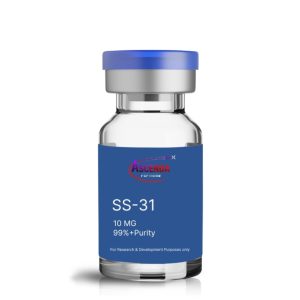
SS-31 Peptide – Advanced Mitochondrial Support Compound
SS-31 peptide is widely researched for mitochondrial membrane support, cardiolipin targeting pathways, oxidative stress studies, and cellular resilience research. Researchers studying mitochondrial support research frequently investigate SS-31 peptide research models involving ATP production and mitochondrial efficiency.
Purity Details
- High-purity peptide compound
- Third-party tested
- Research-grade standards
Research Applications
- Mitochondrial support research
- Oxidative stress investigations
- ATP production pathways
- Cellular resilience research
- Mitochondrial membrane studies
- Longevity-focused research
NanoMatrix Peptide – Advanced Mitochondrial Delivery Research Compound
NanoMatrix peptide is an advanced research compound studied for its potential role in mitochondrial support, cellular energy delivery systems, and metabolic optimization research. Researchers commonly investigate NanoMatrix peptide in studies involving mitochondrial efficiency, ATP-related pathways, cellular signaling, and peptide delivery technologies associated with metabolic health and cellular performance.
Purity Details
- High-purity research compound
- Third-party tested
- Research-grade quality standards
Research Applications
- Mitochondrial support research
- Cellular energy pathways
- ATP production investigations
- Metabolic optimization studies
- Cellular resilience research
- Longevity-focused research
Best Peptides for Mitochondrial Research
Mitochondrial peptide research continues expanding across metabolic health, longevity science, and cellular energy research fields. Researchers studying mitochondrial biology frequently investigate peptides associated with ATP production, mitochondrial biogenesis, oxidative stress pathways, and cellular metabolism.
How Mitochondria Produce Cellular Energy
Mitochondria generate cellular energy through oxidative phosphorylation, producing ATP required for cellular function and metabolic activity. Because ATP production is directly connected to mitochondrial health, researchers continue investigating mitochondrial support peptides associated with cellular energy pathways.
Why ATP Production Matters
ATP is essential for energy metabolism, cellular signaling, and metabolic performance. Researchers examining peptides that increase ATP production often focus on mitochondrial-derived peptides because of their connection to cellular respiration and energy utilization.
Mitochondrial Peptides & Longevity Research
Longevity science increasingly focuses on mitochondrial function because mitochondrial decline is associated with metabolic aging and reduced cellular efficiency. Mitochondrial peptides for longevity are commonly researched in studies involving healthy aging pathways and metabolic flexibility.
Metabolic Flexibility & Cellular Performance
Metabolic flexibility refers to the body’s ability to efficiently adapt energy utilization pathways. Researchers studying mitochondrial optimization often examine AMPK-related pathways and mitochondrial energy metabolism associated with cellular performance.
Peptides That Increase ATP Production
Researchers commonly study cellular energy peptides because of their connection to ATP production, oxidative phosphorylation, and metabolic signaling pathways associated with mitochondrial support research.
Research Behind Mitochondrial Peptides
Scientific interest in mitochondrial peptides continues expanding because mitochondria play a central role in cellular energy production and metabolic regulation. Researchers investigating mitochondrial function peptides commonly study pathways related to ATP synthesis, AMPK signaling, oxidative phosphorylation, mitochondrial biogenesis, and cellular respiration.
Mitochondrial peptide research frequently explores:
- Mitochondrial membrane function
- Cardiolipin interactions
- Cellular energy metabolism
- Oxidative stress pathways
- Cellular respiration
- ATP-related mechanisms
- Metabolic adaptation pathways
- Cellular resilience research
MOTS-C peptide research commonly focuses on metabolic flexibility and energy metabolism pathways, while SS-31 peptide research often investigates mitochondrial membrane stabilization and cardiolipin-targeting mechanisms associated with mitochondrial support research. NanoMatrix peptide research is increasingly explored in studies related to mitochondrial delivery systems, cellular optimization, and metabolic support pathways.
Research Standards at Ascenda Labs
- Third-party testing
- Research-grade quality control
- Product consistency standards
- Scientific transparency
- Premium peptide sourcing
Research Disclaimer
All products available through Ascenda Labs are intended strictly for laboratory and scientific research purposes only.
How to Choose the Right Mitochondrial Peptide
Choosing the right mitochondrial peptide depends on your research goals and metabolic focus.
MOTS-C Peptide
Best researched for:
- AMPK activation
- Metabolic flexibility
- Exercise mimetic pathways
- Energy metabolism research
SS-31 Peptide
Best researched for:
- Mitochondrial membrane support
- Cardiolipin targeting
- Oxidative stress pathways
- Cellular resilience studies
NanoMatrix Peptide
Best researched for:
- Cellular energy metabolism
- Mitochondrial efficiency
- Metabolic performance pathways
- Advanced peptide delivery investigations
Purity Considerations
Researchers should prioritize:
- 99%+ purity standards
- COA availability
- Third-party testing
- Research-grade quality
Stack Compatibility
Researchers frequently combine mitochondrial support peptides with:
- NAD+ research compounds
- Longevity stacks
- Metabolic optimization stacks
Explore Related Research Peptides
- Longevity Peptides
- Metabolic Health Peptides
- Anti-Inflammatory Peptides
- Brain Health Peptides
- Muscle Growth Peptides
Frequently Asked Questions About Mitochondrial Peptides
What are mitochondrial peptides?
Mitochondrial peptides are research compounds studied for their role in cellular energy production, ATP synthesis, mitochondrial function support, and metabolic regulation.
What does MOTS-C peptide do?
Researchers commonly study MOTS-C peptide for AMPK activation, metabolic flexibility, exercise mimetic pathways, and cellular energy metabolism research.
What is SS-31 peptide used for?
SS-31 peptide is widely researched for mitochondrial membrane support, cardiolipin-targeting pathways, oxidative stress investigations, and cellular resilience research.
How do mitochondrial peptides support cellular energy?
Mitochondrial peptides are studied for their relationship with ATP production, oxidative phosphorylation, cellular respiration, and mitochondrial energy metabolism pathways.
Which peptide supports mitochondrial function?
Researchers frequently investigate mitochondrial support peptides such as MOTS-C peptide, SS-31 peptide, and NanoMatrix peptide because of their connection to mitochondrial efficiency and cellular energy pathways.
What is mitochondrial optimization?
Mitochondrial optimization refers to research focused on improving mitochondrial efficiency, ATP generation, metabolic flexibility, and cellular energy regulation pathways.
Shop Premium Mitochondrial Peptides
Explore high-purity mitochondrial peptides developed for advanced cellular energy, metabolic optimization, and longevity-focused research applications. Ascenda Labs provides research-grade peptide compounds trusted by researchers investigating ATP pathways, mitochondrial function, metabolic health, and cellular resilience science.