
Category Purpose
Peptides in the Muscle Growth category are studied for their ability to directly influence anabolic signaling, muscle hypertrophy, and myostatin regulation. These compounds are commonly researched in models focused on muscle fiber growth, protein synthesis, and strength adaptation, supporting increases in muscle size and structural integrity.

NanoMatrix™ Synergy
Muscle Growth Peptides for Advanced Research
Muscle growth peptides are widely studied for their role in cellular growth signaling, muscle development pathways, recovery mechanisms, and performance-related research. At Ascenda Labs, researchers can explore premium muscle growth peptides including Follistatin, IGF-1 LR3, and IGF-DES, manufactured to strict quality standards and supported by comprehensive testing protocols.
Whether investigating muscle hypertrophy pathways, growth factor signaling, protein synthesis processes, or tissue regeneration mechanisms, our muscle growth peptide collection provides high-purity research compounds designed exclusively for laboratory research applications. Each product undergoes rigorous quality control measures to support reliable and reproducible research outcomes.
Why Researchers Choose Ascenda Labs
- High-Purity Research Peptides
- Third-Party Tested
- Certificate of Analysis Available
- Strict Quality Control Standards
- Secure Ordering & Fast Shipping
- Research Use Only
- Batch-Specific Documentation
- Trusted by Researchers Worldwide
What Are Muscle Growth Peptides?
Muscle growth peptides are research compounds commonly studied for their interaction with growth-related cellular pathways, protein synthesis mechanisms, tissue repair processes, and anabolic signaling networks. These compounds help researchers investigate how various biological pathways contribute to muscle development, tissue adaptation, and recovery responses.
Researchers frequently explore peptides such as Follistatin, IGF-1 LR3, and IGF-DES to better understand how growth factors and regulatory proteins influence muscle hypertrophy, cellular regeneration, and metabolic signaling. By examining these pathways in controlled laboratory settings, scientists can gain deeper insights into cellular communication and tissue development mechanisms.
All products offered by Ascenda Labs are intended strictly for laboratory research and educational purposes.
Popular Muscle Growth Peptides
Follistatin
Follistatin is one of the most widely researched muscle growth peptides due to its association with myostatin-related pathways. Researchers commonly study Follistatin to better understand muscle hypertrophy mechanisms, tissue development processes, and cellular growth signaling.
Key Research Areas:
- Myostatin regulation pathways
- Muscle development studies
- Cellular growth signaling
- Tissue adaptation research
IGF-1 LR3
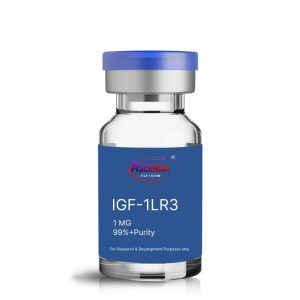
IGF-1 LR3 is a long-acting insulin-like growth factor analog frequently investigated for its role in cellular growth signaling, protein synthesis pathways, and muscle development research. Its extended activity profile makes it a valuable compound for growth factor studies.
Key Research Areas:
- Growth factor signaling
- Protein synthesis research
- Muscle growth studies
- Cellular regeneration mechanisms
IGF-DES
IGF-DES is a shorter-chain growth factor peptide commonly researched for localized cellular signaling and tissue-specific adaptation pathways. Researchers often explore its role in regenerative biology, muscle development, and growth-related cellular responses.
Key Research Areas:
- Localized growth signaling
- Tissue adaptation research
- Muscle development studies
- Cellular response mechanisms
Why These Peptides Are Popular Among Researchers
Follistatin, IGF-1 LR3, and IGF-DES are among the most recognized muscle growth peptides in scientific research due to their involvement in key biological pathways related to muscle development, growth factor activity, cellular adaptation, and tissue regeneration. Together, they provide researchers with valuable tools for investigating complex mechanisms associated with muscle growth and recovery processes.
Follistatin vs IGF-1 LR3 vs IGF-DES
| Peptide | Primary Research Focus | Common Research Area |
| Follistatin | Myostatin Regulation | Muscle Development Studies |
| IGF-1 LR3 | Growth Factor Signaling | Muscle Growth Research |
| IGF-DES | Localized Growth Signaling | Tissue Adaptation Studies |
While each peptide is associated with muscle growth-related research, they are studied through different biological pathways. Researchers often select a specific peptide based on their research objectives, experimental design, and signaling pathways of interest.
Why Researchers Study Muscle Growth Peptides
Muscle growth peptides continue to attract scientific interest due to their involvement in several important biological processes, including:
- Cellular growth signaling pathways
- Muscle hypertrophy mechanisms
- Protein synthesis regulation
- Recovery and regeneration processes
- Growth factor interactions
- Tissue development pathways
- Performance-related biological responses
- Cellular adaptation mechanisms
- Muscle repair research
- Regenerative biology studies
By investigating these pathways, researchers can better understand how cells communicate, adapt, and respond to growth-related stimuli.
How Muscle Growth Peptides Work
Muscle growth peptides are studied for their interactions with growth factor receptors, signaling molecules, and regulatory proteins involved in tissue development. These interactions may influence cellular communication networks that contribute to muscle adaptation, recovery responses, and regenerative processes.
Research suggests that compounds such as Follistatin, IGF-1 LR3, and IGF-DES may impact pathways associated with protein synthesis, growth factor activity, cellular repair mechanisms, and tissue development. Their ability to engage with these biological systems makes them valuable tools for laboratory investigations focused on muscle growth and cellular biology.
How to Choose the Right Muscle Growth Peptide
Selecting the appropriate muscle growth peptide depends largely on your specific research objectives and experimental focus.
Define Your Research Goals
Start by identifying the primary biological pathway you intend to investigate. Researchers studying growth factor signaling may choose different compounds than those examining myostatin-related mechanisms or localized tissue adaptation.
Evaluate Product Purity
Purity is one of the most important factors when selecting research peptides. High-purity compounds help improve consistency and reliability in laboratory studies.
Review Documentation
Always verify that products include quality documentation such as Certificates of Analysis (COAs), batch testing information, and quality assurance records.
Consider Storage Requirements
Proper storage plays a critical role in maintaining peptide stability. Follow all storage recommendations provided with each product to help preserve research integrity.
Assess Research Compatibility
Researchers conducting broader investigations may consider how specific peptides align with their overall study design and biological pathways of interest.
Explore Related Research Peptides
Researchers interested in muscle growth studies may also explore related peptide categories including:
- Anti-Inflammatory Peptides
- Brain Health Peptides
- Cardiovascular Peptides
- Dermal & Skin Peptides
- Fat Loss Peptides
- Gut Health Peptides
These categories can provide additional insights into interconnected biological systems and signaling pathways.
Frequently Asked Questions About Muscle Growth Peptides
What are muscle growth peptides?
Muscle growth peptides are research compounds studied for their involvement in growth signaling pathways, muscle development processes, tissue repair mechanisms, and cellular adaptation responses.
Which peptides are commonly researched for muscle growth?
Commonly researched muscle growth peptides include Follistatin, IGF-1 LR3, and IGF-DES because of their interactions with growth-related biological pathways.
What is IGF-1 LR3?
IGF-1 LR3 is a modified insulin-like growth factor analog frequently researched for its role in cellular growth signaling, protein synthesis, and muscle development studies.
What is Follistatin?
Follistatin is a protein-binding compound commonly studied for its interaction with myostatin-related pathways involved in muscle growth regulation and tissue development research.
What is IGF-DES?
IGF-DES is a shortened insulin-like growth factor variant researched for localized cellular signaling, tissue adaptation mechanisms, and muscle development studies.
What are the most researched muscle growth peptides?
Follistatin, IGF-1 LR3, and IGF-DES are among the most commonly studied peptides in muscle growth and growth factor signaling research.
How should research peptides be stored?
Storage requirements vary by product. Researchers should follow the handling and storage recommendations provided with each peptide to maintain product integrity.
Are muscle growth peptides intended for human consumption?
No. All products sold by Ascenda Labs are intended strictly for laboratory research and educational purposes only and are not approved for human consumption.
Shop Premium Muscle Growth Peptides
Advance your research with high-purity muscle growth peptides from Ascenda Labs. Explore trusted compounds including Follistatin, IGF-1 LR3, and IGF-DES, supported by rigorous quality control, third-party testing, and comprehensive research documentation. Whether your focus is growth factor signaling, muscle development pathways, or tissue adaptation mechanisms, our collection is designed to support reliable laboratory research.