
Category Purpose
Repair & Regenerative peptides are studied for their involvement in tissue healing, cellular repair, angiogenesis, and recovery signaling. Research in this category focuses on injury response, regeneration efficiency, and structural tissue restoration.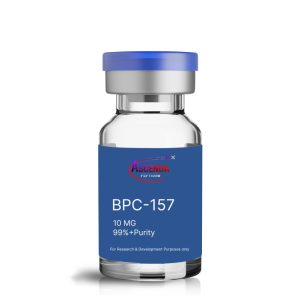
NanoMatrix™ Synergy
Repair & Regenerative Peptides for Scientific Research
Repair & regenerative peptides are widely studied in laboratory research for their role in cellular signaling, tissue regeneration, and recovery-related biological processes. Researchers use these repair, regenerative, and tissue repair peptides to better understand how cells communicate, remodel tissue, and support natural regenerative mechanisms.
At Ascenda Labs, we offer high-purity research peptides intended exclusively for laboratory and in vitro research. Our collection features well-known healing peptides and recovery peptides, including BPC-157 and TB-500, manufactured to strict quality standards for reliable scientific research.
Why Researchers Choose Ascenda Labs
- High-purity research peptides
- HPLC-tested products
- Certificate of Analysis (COA) availability
- Strict quality control standards
- Secure ordering and reliable customer support
- Products intended exclusively for research use
Research Use Only: All products are intended solely for laboratory research and are not approved for human or veterinary use.
What Are Repair & Regenerative Peptides?
Repair & regenerative peptides are short chains of amino acids that function as biological signaling molecules. In laboratory research, they are studied for their involvement in cellular communication, tissue remodeling, and regenerative pathways. Rather than acting as structural components, these peptides help researchers investigate how cells respond during recovery and tissue regeneration.
As scientific understanding continues to evolve, repair peptides, regenerative peptides, and healing peptides remain an important area of research across regenerative biology, connective tissue studies, and cellular signaling. Their potential to support investigations into tissue maintenance and recovery mechanisms makes them valuable tools for advancing peptide research and expanding knowledge of complex biological processes.
Popular Repair & Regenerative Peptides
Discover our featured repair and regenerative research peptides, carefully selected for studies involving tissue regeneration, cellular signaling, and recovery pathways. Each peptide is manufactured to high-quality standards, tested for purity, and supplied exclusively for laboratory research to support consistent and reproducible scientific investigations.
BPC-157 Peptide
BPC-157 is one of the most extensively researched tissue repair peptides, commonly studied for connective tissue biology, gastrointestinal research, cellular signaling, and tissue regeneration pathways.
Research Applications
- Tissue regeneration research
- Connective tissue studies
- Gastrointestinal research
- Cellular signaling
- Recovery pathway research
Quality Standards
- High Purity
- HPLC Tested
- Certificate of Analysis (COA) Available
- Research Use Only
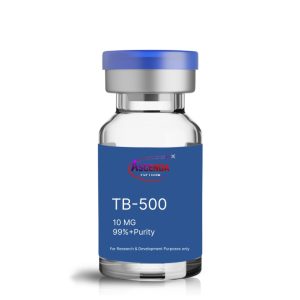
TB-500 Peptide
TB-500 is a widely recognized recovery peptide investigated for tissue remodeling, cellular migration, and regenerative biology. It is frequently researched in muscle, tendon, ligament, and soft tissue models to better understand biological recovery mechanisms.
Research Applications
- Tissue remodeling research
- Muscle recovery studies
- Tendon and ligament research
- Soft tissue research
- Cellular migration studies
Quality Standards
- High Purity
- HPLC Tested
- Certificate of Analysis (COA) Available
- Research Use Only
How Repair Peptides Work in Research
Repair & regenerative peptides are studied for their ability to interact with biological signaling pathways that regulate cellular communication and tissue maintenance. Rather than replacing damaged tissue, researchers investigate how these peptides may influence natural cellular processes involved in tissue remodeling, recovery pathways, and regenerative biology.
One of the primary areas of interest is cell signaling. Peptides can act as signaling molecules that help researchers understand how cells communicate during various biological processes. Scientists also study their role in protein synthesis, cellular repair, and tissue regeneration to gain deeper insights into regenerative mechanisms within controlled laboratory settings.
Another important area of research is angiogenesis, the process by which new blood vessels form. Researchers continue to explore how peptide signaling may influence this process and its relationship to tissue remodeling and cellular recovery. These ongoing studies contribute to a broader understanding of regenerative biology and peptide science.
Common Areas of Repair Peptide Research
Muscle Recovery Research
Researchers study repair peptides to better understand cellular signaling involved in muscle tissue maintenance, recovery pathways, and tissue remodeling. These studies help expand knowledge of regenerative biology in laboratory models.
Tendon & Ligament Research
Repair peptides are frequently investigated in tendon and ligament research to examine connective tissue signaling, structural organization, and regenerative mechanisms within controlled scientific environments.
Joint Recovery Studies
Scientists continue to explore how peptides interact with cellular pathways involved in joint tissue biology, tissue remodeling, and recovery-focused research models.
Connective Tissue Research
Connective tissue remains an important focus of peptide research. Laboratory studies investigate how peptide signaling contributes to cellular communication and tissue regeneration across various connective tissue models.
Gastrointestinal Research
Certain repair peptides are widely researched for their involvement in gastrointestinal biology. Scientists study their interaction with cellular repair mechanisms and tissue maintenance pathways to better understand digestive tissue function.
Soft Tissue Recovery
Soft tissue research examines how regenerative peptides may influence cellular communication, tissue remodeling, and recovery-related biological processes, providing valuable insights into regenerative science.
Why Researchers Study These Peptides
Repair & regenerative peptides continue to attract scientific interest because they offer researchers valuable opportunities to investigate tissue healing models, regenerative biology, and cellular communication. Ongoing laboratory studies explore their potential involvement in inflammation research, tissue remodeling, and recovery pathways, contributing to a better understanding of complex biological systems.
As peptide science continues to advance, these research compounds remain important tools for expanding knowledge in regenerative medicine, molecular biology, and tissue regeneration research.
What to Look for When Buying Research Peptides
Selecting high-quality research peptides is essential for generating reliable and reproducible laboratory results. Researchers should evaluate product quality, manufacturing standards, and testing documentation before choosing a supplier. Transparent quality assurance helps ensure consistency across research projects.
When comparing repair and regenerative peptides, consider the following factors:
- High Purity: Peptides manufactured to stringent purity standards for dependable research.
- HPLC Testing: Products should be verified using High-Performance Liquid Chromatography (HPLC) to confirm purity and quality.
- Certificate of Analysis (COA): A COA provides documented testing results for added transparency.
- Batch Testing: Consistent quality control across production batches supports reproducible research.
- Proper Storage: Peptides should be packaged and stored according to recommended laboratory practices to help maintain product integrity.
- Manufacturer Transparency: Choose suppliers that clearly communicate their quality standards, testing procedures, and product information.
Explore More Research Peptide Categories
Expand your research with additional peptide collections available at Ascenda Labs:
- Anti-Inflammatory Peptides – Research peptides focused on inflammation-related biological pathways.
- Gut Health Peptides – Peptides commonly studied in gastrointestinal and digestive tissue research.
- Muscle Growth Peptides – Products supporting research into muscle biology and growth mechanisms.
- Brain Health Peptides – Peptides investigated for neurological and cognitive research.
- Mitochondrial Health Peptides – Research compounds exploring cellular energy and mitochondrial function.
- Metabolic Health Peptides – Peptides studied for metabolism and metabolic signaling pathways.
Exploring related categories can help researchers identify complementary compounds for broader regenerative biology and peptide research projects.
How to Choose the Right Repair Research Peptide
The ideal research peptide depends on your study objectives and experimental design. Before selecting a product, consider the biological pathway, tissue model, and research focus of your project.
Key considerations include:
- Define your research objectives.
- Select peptides relevant to your study model.
- Verify product purity and testing documentation.
- Review the available Certificate of Analysis (COA).
- Follow recommended laboratory storage practices.
- Purchase from a trusted supplier with transparent quality standards.
Choosing high-quality research peptides helps support reliable laboratory investigations while promoting consistency and reproducibility across scientific studies.
Commitment to Research Quality
At Ascenda Labs, we are committed to providing high-quality research peptides that meet the expectations of the scientific community. Every product is manufactured with a focus on purity, consistency, and transparency to support reliable laboratory research.
Our quality commitment includes:
- High-purity research peptides
- HPLC-tested products
- Certificate of Analysis (COA) available
- Strict manufacturing and quality control standards
- Batch-to-batch consistency
- Secure packaging and storage practices
- Products intended exclusively for research use
We also believe in supporting researchers with accurate educational content that reflects current scientific understanding. By combining quality manufacturing with transparent product information, Ascenda Labs helps researchers make informed decisions when sourcing research peptides.
Frequently Asked Questions About Repair & Regenerative Peptides
What are repair peptides?
Repair peptides are short chains of amino acids studied for their role in cellular signaling, tissue remodeling, and regenerative biology. They are commonly used in laboratory research to investigate biological processes involved in tissue maintenance and recovery.
What are regenerative peptides?
Regenerative peptides are research compounds investigated for their involvement in cellular communication and tissue regeneration pathways. Scientists study these peptides to better understand regenerative mechanisms in controlled laboratory settings.
What is BPC-157?
BPC-157 is a widely researched peptide commonly investigated for connective tissue biology, gastrointestinal research, cellular signaling, and tissue regeneration. At Ascenda Labs, BPC-157 is supplied exclusively for laboratory research.
What is TB-500?
TB-500 is a research peptide studied for tissue remodeling, cellular migration, and recovery-related biological processes. It is frequently included in laboratory studies involving muscle, tendon, ligament, and soft tissue models.
What is the difference between repair and regenerative peptides?
The terms are closely related and often overlap. Repair peptides generally refer to peptides studied for tissue maintenance and recovery mechanisms, while regenerative peptides describe compounds researched for broader regenerative biology and cellular signaling pathways.
Which peptides are commonly researched for tissue repair?
Among the most recognized research peptides in this field are BPC-157 and TB-500. Researchers continue to investigate these peptides in studies involving connective tissue, tissue remodeling, cellular signaling, and regenerative biology.
Are repair peptides intended for human use?
No. The repair and regenerative peptides offered by Ascenda Labs are intended for laboratory and research purposes only. They are not approved for human or veterinary use and should only be used in qualified research settings.
Advance Your Repair & Regenerative Research with Ascenda Labs
Discover high-purity repair and regenerative peptides at Ascenda Labs, manufactured exclusively for laboratory and in vitro research. Our collection features trusted research compounds, including BPC-157 and TB-500, widely studied for tissue regeneration, cellular signaling, tissue remodeling, and recovery-related biological processes.
Every peptide is HPLC tested, backed by a Certificate of Analysis (COA), and manufactured to rigorous quality standards to support reliable scientific research.
Explore our Repair & Regenerative Peptides collection and find premium research peptides for your next laboratory study.