
Category Purpose
Cardiovascular peptides are studied for their effects on cardiac energy metabolism, vascular function, and cellular resilience in heart tissue. This category supports research into endurance, circulatory efficiency, and cardiovascular aging.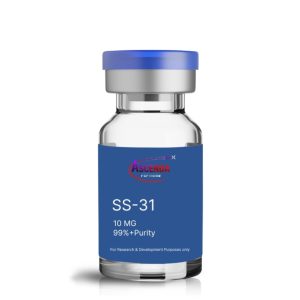
NanoMatrix™ Synergy
Cardiovascular Peptides for Heart, Vascular & Mitochondrial Research
Explore research-grade cardiovascular peptides designed for studies involving mitochondrial function, vascular health, circulation pathways, cellular energy production, and cardiovascular wellness. At Ascenda Labs, our Cardiovascular Peptides collection features high-purity SS-31 Peptide, trusted by researchers for its quality, consistency, and reliability in laboratory research applications.
Why Researchers Choose Ascenda Labs
- Third-Party Tested
- High-Purity Research Compounds
- Certificate of Analysis Available
- Research-Use Only Products
- Quality-Controlled Manufacturing
- Fast North American Shipping
- Secure Ordering Process
What Are Cardiovascular Peptides?
Cardiovascular peptides are research compounds studied for their potential roles in cardiovascular-related biological pathways, including mitochondrial function, circulation, endothelial integrity, cellular signaling, and energy metabolism. Researchers investigate these compounds to better understand mechanisms involved in cardiovascular performance, cellular resilience, and metabolic efficiency.
A major focus of cardiovascular peptide research involves mitochondrial health. Mitochondria are responsible for generating ATP, the primary source of cellular energy. Because cardiovascular tissues require significant amounts of energy, mitochondrial efficiency remains a key area of scientific interest. Researchers often explore how specific peptides interact with mitochondrial pathways, oxidative stress responses, and cellular energy production processes.
Cardiovascular peptides are also commonly studied in vascular and endothelial research. The endothelium plays a critical role in maintaining blood vessel function and circulation pathways. Understanding peptide interactions within these systems may provide valuable insights into cardiovascular biology and cellular communication.
At Ascenda Labs, we provide research-grade cardiovascular peptides manufactured to rigorous quality standards. Each product undergoes extensive testing to support consistency, purity, and reliability for laboratory research applications.
Why Researchers Study Cardiovascular Peptides
Cardiovascular Function Research
Researchers frequently investigate cardiovascular peptides for their potential involvement in cardiac performance, circulation pathways, and cellular signaling processes. These compounds are often studied to better understand how biological systems respond to changes in energy demands, oxidative stress, and vascular function.
Cardiovascular research continues to explore complex interactions between cellular communication networks, mitochondrial efficiency, and cardiovascular performance. Peptides may offer valuable research opportunities for examining these biological mechanisms.
Mitochondrial Energy Production
Mitochondria are central to cellular energy production, making them one of the most important areas of cardiovascular research. Cardiovascular peptides are frequently studied for their potential relationships with ATP generation, mitochondrial efficiency, and energy metabolism pathways.
Research involving mitochondrial-targeting peptides often focuses on:
- ATP production pathways
- Cellular energy efficiency
- Mitochondrial signaling
- Oxidative stress responses
- Cellular resilience mechanisms
Understanding these processes may help researchers better investigate cardiovascular and metabolic function.
Vascular & Endothelial Research
Blood vessels and endothelial tissues are essential components of cardiovascular health. Researchers often study cardiovascular peptides in relation to vascular signaling, endothelial function, and circulation-related biological pathways.
Key research areas include:
- Endothelial integrity
- Vascular responsiveness
- Circulatory pathways
- Cellular communication
- Blood vessel function
These studies contribute to a broader understanding of cardiovascular biology and vascular mechanisms.
Cellular Health & Healthy Aging Research
Cardiovascular peptide research frequently overlaps with investigations involving cellular health and longevity-related pathways. Researchers study these compounds for their potential involvement in:
- Oxidative stress responses
- Cellular resilience
- Mitochondrial function
- Energy metabolism
- Healthy aging mechanisms
Because cardiovascular function is closely connected to cellular health, these peptides often play a role in broader longevity and wellness-focused research initiatives.
Popular Cardiovascular Peptides
SS-31 Peptide
SS-31 peptide is among the most widely recognized mitochondrial-targeting peptides studied in cardiovascular research. Researchers frequently investigate SS-31 for its potential relationship with mitochondrial function, ATP production, oxidative stress pathways, and cellular energy metabolism.
Research Areas
- Mitochondrial function
- ATP production
- Oxidative stress pathways
- Cellular energy research
- Cardiovascular studies
- Cellular resilience investigations
Why Researchers Study SS-31
SS-31 has attracted significant scientific interest because mitochondria play a central role in cellular energy production. Researchers often utilize SS-31 in studies focused on mitochondrial efficiency and cardiovascular-related biological mechanisms.
Future Cardiovascular Research Compounds
As scientific understanding continues to evolve, researchers may also explore:
- Elamipretide-related compounds
- Vascular research peptides
- Cardiometabolic research peptides
- Mitochondrial support compounds
- Cellular energy research peptides
Ascenda Labs continuously evaluates emerging research opportunities to provide access to high-quality peptide products.
Best Peptides for Cardiovascular Research
Choosing the best peptide for cardiovascular research depends on the specific biological pathways being studied. Researchers often evaluate compounds based on mitochondrial targeting capabilities, vascular relevance, cellular energy applications, and research objectives.
SS-31 and Mitochondrial Research
SS-31 remains one of the most prominent peptides investigated for mitochondrial-related research. Because mitochondria are responsible for ATP production, researchers often study SS-31 to better understand cellular energy pathways and mitochondrial efficiency.
Its relevance extends across multiple research areas, including cardiovascular biology, cellular metabolism, and oxidative stress studies.
Peptides Studied for Vascular Function
Vascular peptides are commonly investigated for their potential interactions with endothelial pathways, blood vessel signaling, and circulation-related mechanisms.
Researchers studying vascular function often focus on:
- Endothelial biology
- Circulation pathways
- Vascular communication
- Blood vessel integrity
- Cellular signaling networks
Cardiovascular Peptides and Cellular Energy
Cellular energy production is fundamental to cardiovascular function. Researchers often examine peptides that may interact with ATP generation pathways and mitochondrial processes.
Understanding energy metabolism remains critical because cardiovascular tissues require substantial energy resources to maintain normal biological function.
Choosing Research-Grade Cardiovascular Peptides
When selecting cardiovascular peptides for research, quality should remain a top priority.
Researchers should consider:
- Purity testing standards
- Certificate of Analysis availability
- Manufacturing quality controls
- Product consistency
- Batch verification processes
These factors help support reliable and reproducible research outcomes.
Research Behind Cardiovascular Peptides
Scientific interest in cardiovascular peptides continues to grow as researchers seek to better understand the biological pathways involved in cardiovascular function, mitochondrial health, and cellular energy production.
Current research frequently explores:
- Mitochondrial biology
- ATP generation
- Cardiovascular signaling pathways
- Endothelial function
- Oxidative stress responses
- Cellular communication mechanisms
Quality Assurance at Ascenda Labs
At Ascenda Labs, quality remains a priority throughout the manufacturing and testing process.
Purity Testing
Products undergo analytical testing to help verify purity and consistency.
Batch Verification
Every batch is evaluated according to established quality-control procedures.
Certificates of Analysis
COAs provide transparency and support informed research decisions.
Research Transparency
We believe researchers should have access to detailed product information and testing documentation whenever possible.
How to Choose the Right Cardiovascular Peptide
Selecting the appropriate peptide depends on the goals of your research project.
Research Goals
Researchers may focus on:
- Mitochondrial studies
- Vascular research
- Cellular energy investigations
- Cardiovascular signaling pathways
- Endothelial biology
Product Selection Guide
When evaluating products, consider:
- Research objectives
- Compound characteristics
- Available research literature
- Product format
- Testing documentation
Purity Considerations
Always prioritize:
- Third-party testing
- COA verification
- Quality standards
- Manufacturing consistency
Storage Recommendations
Storage requirements may vary by compound, but researchers should always follow manufacturer recommendations to maintain product stability and integrity.
Related Research Categories
Researchers interested in cardiovascular peptides may also explore:
- Longevity peptides
- Metabolic health peptides
- Recovery peptides
- Mitochondrial research compounds
Explore Related Research Peptides
Explore additional peptide categories at Ascenda Peptide Labs:
- Longevity Peptides
- Metabolic Health Peptides
- Brain Health Peptides
- Fat Loss Peptides
- Repair & Regenerative Peptides
Frequently Asked Questions About Cardiovascular Peptides
What are cardiovascular peptides?
Cardiovascular peptides are research compounds studied for their potential roles in mitochondrial function, circulation pathways, endothelial health, and cardiovascular-related biological processes.
What is SS-31 peptide?
SS-31 is a mitochondria-targeting peptide commonly investigated in studies involving ATP production, oxidative stress regulation, and cardiovascular research applications.
Why are mitochondria important in cardiovascular research?
Mitochondria generate cellular energy and are frequently studied for their role in cardiovascular performance, cellular metabolism, and overall cellular function.
What makes a peptide research grade?
Research-grade peptides are manufactured and tested according to rigorous quality-control standards, including purity verification and analytical testing.
How should cardiovascular peptides be stored?
Storage recommendations vary by compound, but researchers should always follow manufacturer guidelines to maintain product integrity and stability.
Are cardiovascular peptides intended for human consumption?
No. Products sold by Ascenda Labs are intended strictly for laboratory and scientific research purposes only.
Shop Premium Cardiovascular Peptides
Explore high-purity cardiovascular peptides trusted by researchers studying mitochondrial function, vascular health, circulation pathways, and cellular energy production. At Ascenda Labs, our Cardiovascular Peptides collection features SS-31 Peptide, a research-grade compound backed by rigorous quality standards, third-party testing, and transparent quality assurance practices.