Category Purpose
Anti-Inflammatory peptides are researched for their role in modulating inflammatory pathways, cytokine signaling, and immune balance. These compounds are relevant in studies examining chronic inflammation, tissue stress, and immune response regulation.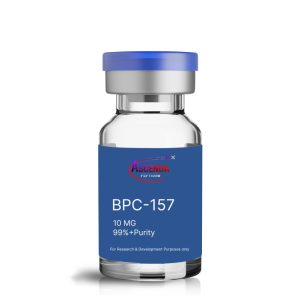
NanoMatrix™ Synergy
Anti-Inflammatory Peptides for Recovery, Gut Health & Research
Discover premium anti-inflammatory peptides researched for tissue repair, gut health, recovery pathways, and immune signaling. At Ascenda Labs, we provide high-purity research peptides including BPC-157 and KPV, trusted by researchers seeking quality, consistency, and transparency. Explore scientifically relevant peptide compounds designed to support advanced laboratory and research applications.
Why Researchers Choose Ascenda Labs
- High-Purity Research Peptides
- Rigorous Quality Control Standards
- Transparent Product Information
- Reliable Research Supply
- Research-Focused Product Selection
What Are Anti-Inflammatory Peptides?
Anti-inflammatory peptides are research compounds studied for their potential involvement in inflammatory response regulation, tissue repair, recovery pathways, gut health, and immune signaling. Unlike traditional compounds, peptides consist of short amino acid sequences capable of interacting with specific biological processes, making them valuable tools in scientific investigation.
Researchers frequently study peptides for inflammation to better understand how they may influence cytokine activity, tissue regeneration, gut barrier function, and cellular repair. As interest in regenerative science continues to grow, anti-inflammatory peptides have become an important category within peptide research.
Among the most recognized inflammation peptides are BPC-157 and KPV. These compounds are commonly investigated in gut health research, recovery studies, tissue repair investigations, and immune modulation research. Their growing popularity has established them as key entities within the broader field of healing peptides and regenerative peptide research.
Why Researchers Study Anti-Inflammatory Peptides
Tissue Repair & Regeneration Research
Many anti-inflammatory peptides are investigated for their relationship to tissue maintenance, cellular repair, and regenerative pathways. Researchers explore how these compounds may interact with biological systems involved in recovery and regeneration.
Gut Health & Barrier Function Research
The digestive system remains one of the most active areas of peptide research. Scientific investigations often focus on how peptides may support studies involving gut integrity, gastrointestinal function, and gut barrier mechanisms.
Recovery Pathway Research
Recovery peptides continue attracting attention due to their relevance in studies involving cellular recovery, tissue maintenance, and regenerative processes.
Immune Modulation Research
Researchers frequently investigate immune-modulating peptides to better understand cytokine regulation, immune signaling, and inflammatory pathway interactions.
Cellular Repair Investigations
Peptides are commonly studied for their potential role in cellular communication and repair mechanisms that contribute to tissue health and biological maintenance.
Popular Anti-Inflammatory Peptides
BPC-157 Peptide
BPC-157 is one of the most recognized research peptides within regenerative science. Researchers commonly investigate BPC 157 peptide applications involving tissue repair, recovery studies, gut health research, and cellular regeneration pathways.
Research Applications
- Tissue repair investigations
- Recovery pathway studies
- Gut health research
- Cellular regeneration research
KPV Peptide
KPV peptide is frequently studied for its relevance to inflammatory response research and gut-health-related investigations. Researchers continue exploring its role in immune signaling, cytokine regulation, and gastrointestinal research.
Research Applications
- Gut health investigations
- Immune signaling research
- Inflammatory pathway studies
- Cytokine regulation research
Best Peptides for Anti-Inflammatory Research
Researchers investigating inflammation-related biological processes frequently focus on peptides that have demonstrated relevance to tissue repair, recovery, gut health, and immune signaling pathways.
BPC-157 for Recovery & Tissue Repair Research
BPC-157 remains one of the most discussed peptides in recovery-related scientific literature. Research frequently focuses on tissue maintenance, regenerative pathways, and gut-health-related investigations.
KPV for Gut Health & Immune Research
KPV has become increasingly recognized in studies involving inflammatory response mechanisms, cytokine activity, and gut barrier function research.
Peptides for Gut Inflammation Research
Gut health remains one of the largest research areas within peptide science. Investigations involving BPC-157 and KPV often examine biological pathways associated with gut integrity and gastrointestinal function.
Peptides for Immune Modulation Research
Researchers continue studying how anti-inflammatory peptides may interact with immune signaling networks and inflammatory pathways to better understand biological communication systems.
BPC-157 vs KPV: Understanding Their Research Focus
Both BPC-157 and KPV are widely recognized anti-inflammatory peptides studied in research involving gut health, recovery pathways, immune signaling, and inflammatory response mechanisms. While these peptides are often discussed together, their primary research areas differ.
| Peptide | Common Research Areas |
| BPC-157 | Tissue repair research, recovery pathways, gut health investigations, cellular regeneration studies |
| KPV | Gut health research, inflammatory response studies, cytokine regulation, immune signaling investigations |
Research Behind Anti-Inflammatory Peptides
Scientific interest in anti-inflammatory peptides continues growing because of their potential interactions with highly specific biological systems.
Current research commonly focuses on:
- Inflammatory pathways
- Cytokine regulation
- Cellular repair mechanisms
- Tissue regeneration processes
- Gut barrier function
- Immune signaling pathways
While research remains ongoing, these studies contribute to a broader understanding of peptide biology and regenerative science.
How to Choose the Right Anti-Inflammatory Peptide
Selecting the right peptide depends on your research objectives.
Consider Your Research Goals
Determine whether your research focuses on:
- Gut health investigations
- Recovery pathway studies
- Tissue repair research
- Immune signaling studies
Product Selection Guide
Choose BPC-157 if your research focuses on:
- Tissue repair
- Recovery pathways
- Gut health investigations
Choose KPV if your research focuses on:
- Gut health
- Inflammatory response studies
- Immune signaling research
Purity Considerations
Always choose peptides supported by quality-control standards and purity verification.
Storage Recommendations
Store peptides according to manufacturer guidelines to help maintain stability and integrity.
Stack Compatibility
Researchers often evaluate peptides independently or within broader peptide research frameworks depending on study objectives.
Explore Related Research Peptides
Continue exploring related peptide categories:
- Metabolic Health Peptides
- Mitochondrial Peptides
- Muscle Growth Peptides
- Repair & Regenerative Peptides
These categories help researchers discover complementary products and build a more complete peptide research portfolio.
Frequently Asked Questions About Anti-Inflammatory Peptides
What are anti-inflammatory peptides?
Anti-inflammatory peptides are research compounds studied for inflammatory response regulation, tissue repair, recovery pathways, immune signaling, and gut health investigations.
What peptides are commonly researched for inflammation?
BPC-157 and KPV are among the most recognized peptides studied in inflammation-related and recovery-focused research.
What is BPC-157?
BPC-157 is a research peptide commonly investigated for tissue repair, recovery pathways, gut health, and cellular regeneration studies.
What is KPV peptide?
KPV is a peptide fragment frequently studied for gut health, inflammatory response regulation, cytokine activity, and immune signaling research.
What is the difference between BPC-157 and KPV?
BPC-157 is primarily researched for tissue repair and recovery pathways, while KPV is commonly investigated for gut health, inflammatory response, and immune signaling research.
What peptides are researched for gut inflammation?
BPC-157 and KPV are among the most recognized peptides investigated in gut-health-related and inflammatory-response research.
Are anti-inflammatory peptides used in scientific research?
Yes. Anti-inflammatory peptides are widely studied in laboratory and research environments to investigate inflammation-related biological processes.
Shop Premium Anti-Inflammatory Peptides
Explore high-purity research peptides trusted by researchers investigating recovery pathways, tissue repair, gut health, and immune signaling. Ascenda Labs provides quality-focused peptide products designed to support advanced scientific research and laboratory applications.