Category Purpose
Lean Muscle Mass peptides are primarily studied for their influence on the growth hormone axis, body composition, and muscle preservation. These compounds support research into muscle retention, recovery, and fat-to-lean mass optimization without directly targeting hypertrophy alone.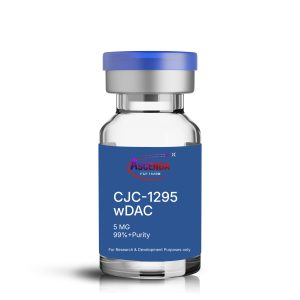
NanoMatrix™ Synergy
Premium Lean Muscle Peptides | Research-Grade Peptide Collection
Discover premium Lean Muscle Peptides from Ascenda Labs, developed exclusively for laboratory research. Our collection includes CJC-1295, Ipamorelin, Hexarelin, Sermorelin Acetate, and Tesamorelin high-purity research peptides commonly studied for growth hormone signaling, muscle physiology, lean body composition, metabolic pathways, and endocrine function. Every product is third-party tested, backed by batch-specific Certificates of Analysis (COAs), and manufactured to rigorous quality standards, providing researchers with reliable and consistent research materials.
Why Researchers Choose Ascenda Labs
- Research-Grade Peptides
- 99%+ High Purity Standards
- Third-Party Laboratory Tested
- Batch-Specific Certificates of Analysis (COAs)
- Transparent Quality Assurance
- Secure & Temperature-Conscious Packaging
- Fast & Reliable Shipping
What Are Lean Muscle Peptides?
Lean Muscle Peptides are research compounds commonly studied for their role in growth hormone signaling, endocrine function, muscle physiology, and body composition. Many belong to the categories of growth hormone secretagogues (GHSs) or growth hormone-releasing hormone (GHRH) analogues, making them valuable tools for investigating hormone regulation and related biological pathways.
Researchers use these peptides to study mechanisms involved in growth hormone release, IGF-1 signaling, muscle recovery, protein synthesis, and metabolic function under controlled laboratory conditions.
At Ascenda Labs, our Lean Muscle Peptides collection features high-purity, research-grade compounds, including:
- CJC-1295 (With DAC) – Long-acting GHRH analogue for growth hormone signaling research.
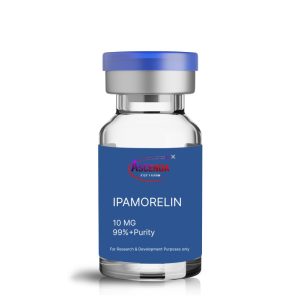
- Ipamorelin – Selective GHSR agonist studied for endogenous growth hormone release.
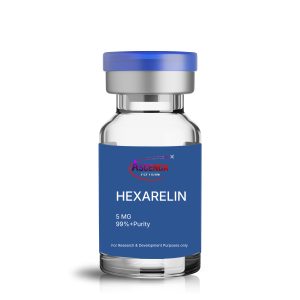
- Hexarelin – Potent growth hormone secretagogue researched for endocrine signaling.
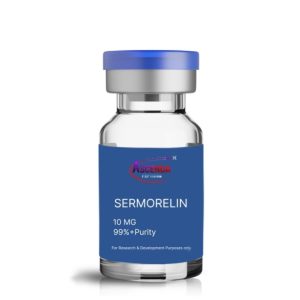
- Sermorelin Acetate – GHRH analogue investigated for natural growth hormone pathway studies.
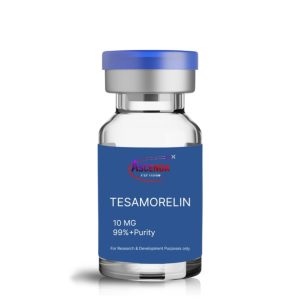
- Tesamorelin – Stabilized GHRH analogue commonly researched for metabolic and endocrine functions.
Every peptide is manufactured to rigorous quality standards, third-party tested, and supported by batch-specific Certificates of Analysis (COAs).
Why Researchers Study Lean Muscle Peptides
Lean Muscle Peptides are widely researched for their role in growth hormone signaling, endocrine function, and muscle biology. These compounds help researchers explore how hormone pathways influence body composition, cellular repair, protein synthesis, and metabolic processes in controlled laboratory settings.
Growth Hormone Signaling Research
Study how peptides interact with GHRH and GHSR pathways to regulate growth hormone release and endocrine signaling.
Lean Body Composition Research
Investigate the biological mechanisms involved in muscle development, metabolic regulation, and body composition.
Muscle Recovery & Regeneration Research
Examine cellular repair, tissue regeneration, and protein turnover following physiological stress.
Exercise Performance Research
Explore hormone signaling and metabolic adaptations related to exercise physiology and recovery.
Protein Synthesis Research
Research how growth hormone pathways influence protein metabolism and cellular growth mechanisms.
Body Composition Studies
Understand the relationship between growth hormone, IGF-1 signaling, and metabolic pathways involved in body composition research.
Research Use Only: All peptides offered by Ascenda Labs are supplied exclusively for laboratory research and are not intended for human or veterinary use.
Popular Lean Muscle Peptides
Ascenda Labs offers a carefully curated collection of high-purity research peptides that support scientific investigation into growth hormone signaling and lean body composition pathways. Each product undergoes quality verification and is intended exclusively for laboratory research.
CJC-1295 (With DAC)
CJC-1295 (With DAC) is a long-acting growth hormone-releasing hormone analogue widely researched for its prolonged activity and ability to support studies involving sustained growth hormone signaling. Researchers often include this peptide in projects examining endocrine regulation, hormone pulsatility, and IGF-1 pathway interactions.
Highlights
- High-purity research peptide (99%+)
- Third-party tested
- Batch-specific COA available
- Research applications: Growth hormone signaling, endocrine physiology, IGF-1 pathway studies
Ipamorelin
Ipamorelin is a selective growth hormone secretagogue studied for its interaction with the ghrelin receptor (GHSR). Its receptor selectivity makes it a frequently researched compound in investigations exploring endogenous growth hormone release and endocrine signaling.
Highlights
- Research-grade purity (99%+)
- Independently tested
- Batch-specific quality documentation
- Research applications: Growth hormone release, receptor biology, endocrine research
Hexarelin
Hexarelin is a synthetic growth hormone secretagogue commonly investigated for its potent receptor activity and endocrine signaling characteristics. Researchers use Hexarelin to explore growth hormone regulation, receptor activation, and hormone-mediated biological pathways in controlled laboratory settings.
Highlights
- High-purity peptide
- Third-party verified
- COA available
- Research applications: Growth hormone signaling, receptor studies, endocrine physiology
Sermorelin Acetate
Sermorelin Acetate is a synthetic analogue of growth hormone-releasing hormone that is frequently studied for its ability to stimulate endogenous growth hormone signaling. It is commonly included in laboratory investigations involving endocrine regulation and hormone pathway research.
Highlights
- Research-grade quality
- Third-party tested
- High-purity formulation
- Research applications: GHRH pathway studies, hormone regulation, endocrine research
Tesamorelin
Tesamorelin is a modified GHRH analogue researched for its extended activity and its role in studies involving growth hormone signaling and metabolic regulation. It is frequently examined alongside other GHRH analogues to better understand endocrine mechanisms and downstream signaling pathways.
Highlights
- 99%+ purity
- Independent laboratory testing
- Batch-specific COA
- Research applications: Growth hormone research, metabolic signaling, endocrine physiology
Best Peptides for Lean Muscle Research
Researchers often choose different peptides based on the biological pathways they want to investigate. While many compounds in this collection influence growth hormone signaling, each peptide interacts with the endocrine system through distinct mechanisms. Understanding these differences helps researchers select the most appropriate compound for their laboratory objectives.
Whether the focus is on growth hormone-releasing hormone (GHRH) pathways, growth hormone secretagogue receptor (GHSR) activity, endocrine regulation, or IGF-1 signaling, selecting the right peptide begins with understanding its research profile.
CJC-1295 (With DAC)
CJC-1295 (With DAC) is a long-acting analogue of growth hormone-releasing hormone (GHRH). The Drug Affinity Complex (DAC) extends the peptide’s half-life, making it a popular research tool for studying prolonged growth hormone stimulation and sustained endocrine signaling.
Researchers commonly investigate CJC-1295 (With DAC) in laboratory models exploring:
- Growth hormone pulsatility
- IGF-1 pathway regulation
- Endocrine physiology
- Long-duration hormone signaling
- Hormone receptor interactions
Its extended activity distinguishes it from shorter-acting GHRH analogues and makes it valuable for long-term signaling studies.
Ipamorelin
Ipamorelin is a selective growth hormone secretagogue that primarily targets the growth hormone secretagogue receptor (GHSR), also known as the ghrelin receptor. Because of its receptor selectivity, it is widely researched for studies examining endogenous growth hormone release without broadly stimulating other endocrine pathways.
Researchers frequently study Ipamorelin for:
- Growth hormone secretion
- Ghrelin receptor biology
- Endocrine regulation
- Hormonal signaling
- Cellular communication pathways
Its specificity makes it one of the most commonly researched GH secretagogues available today.
Hexarelin
Hexarelin is another synthetic growth hormone secretagogue known for its potent interaction with GHS receptors. It has been studied extensively in laboratory settings to better understand hormone signaling, receptor activation, and endocrine regulation.
Research areas often include:
- Growth hormone pathway activation
- Receptor pharmacology
- Cellular signaling
- Endocrine research
- Experimental physiology
Because Hexarelin demonstrates a different receptor profile than other secretagogues, it provides valuable comparative data in laboratory investigations.
Sermorelin Acetate
Sermorelin Acetate is a synthetic version of the first 29 amino acids of endogenous growth hormone-releasing hormone. It is widely researched as a model for understanding natural GHRH signaling and pituitary stimulation.
Researchers often investigate Sermorelin Acetate in studies involving:
- Growth hormone release
- GHRH receptor activity
- Endocrine physiology
- Hormonal feedback mechanisms
- IGF-1 signaling pathways
Its structural similarity to naturally occurring GHRH makes it an important research peptide for endocrine investigations.
Tesamorelin
Tesamorelin is a stabilized GHRH analogue developed to improve peptide stability while maintaining activity at GHRH receptors. Researchers study Tesamorelin to better understand endocrine regulation, metabolic signaling, and hormone-mediated biological processes.
Common laboratory research focuses include:
- Growth hormone regulation
- GHRH signaling
- Metabolic pathway research
- IGF-1 activity
- Endocrine system studies
Its unique structure makes it valuable for comparative research involving other GHRH analogues.
Which Peptide Is Best for Lean Muscle Research?
There is no single “best” peptide for every research objective. The ideal choice depends on the biological pathway being investigated, the study design, and the research questions being addressed.
For example:
- Researchers interested in prolonged GHRH signaling may select CJC-1295 (With DAC).
- Those investigating selective GHS receptor activation often choose Ipamorelin.
- Studies examining potent secretagogue activity may include Hexarelin.
- Investigations focused on endogenous GHRH physiology frequently use Sermorelin Acetate.
- Research comparing stabilized GHRH analogues often includes Tesamorelin.
Choosing the appropriate peptide begins with clearly defining the scientific objective and reviewing available literature relevant to the pathway under investigation.
Understanding Growth Hormone Secretagogues
Growth hormone secretagogues (GHSs) are compounds that stimulate the release of endogenous growth hormone by interacting with specific receptors involved in hormone regulation.
Unlike GHRH analogues, which primarily act through growth hormone-releasing hormone receptors, growth hormone secretagogues interact with the growth hormone secretagogue receptor (GHSR), commonly referred to as the ghrelin receptor.
Researchers often compare these two classes of peptides to investigate:
- Hormone release dynamics
- Receptor specificity
- Endocrine feedback mechanisms
- IGF-1 signaling
- Cellular communication pathways
Understanding the differences between GHRH analogues and GHS peptides helps researchers design more targeted laboratory studies.
Research Behind Lean Muscle Peptides
Lean Muscle Peptides continue to attract scientific interest because they provide useful models for studying endocrine regulation and growth hormone biology. Although individual peptides differ in their mechanisms, many influence interconnected pathways involving GHRH, GHSR, growth hormone release, and IGF-1 signaling.
Growth Hormone Pathways
Growth hormone secretion is controlled through a complex interaction between the hypothalamus, pituitary gland, and peripheral tissues. Researchers use peptides such as CJC-1295, Ipamorelin, Hexarelin, Sermorelin Acetate, and Tesamorelin to investigate different components of this regulatory network.
These studies improve scientific understanding of hormone signaling rather than demonstrating therapeutic effects.
GHRH and GHSR Overview
Two primary pathways are commonly studied within this category:
Growth Hormone-Releasing Hormone (GHRH)
GHRH analogues stimulate receptors that regulate endogenous growth hormone release from the pituitary gland. Peptides such as Sermorelin, Tesamorelin, and CJC-1295 are frequently investigated within this pathway.
Growth Hormone Secretagogue Receptor (GHSR)
Growth hormone secretagogues such as Ipamorelin and Hexarelin primarily interact with the ghrelin receptor, offering researchers a complementary mechanism for studying growth hormone regulation.
Comparing these pathways helps researchers better understand endocrine physiology and receptor biology.
IGF-1 Signaling
Insulin-like Growth Factor-1 (IGF-1) is an important downstream mediator of growth hormone activity. Many laboratory investigations examine how different peptide classes influence IGF-1 signaling, receptor activation, and cellular communication.
These studies contribute to broader research into endocrine function and metabolic regulation.
Quality Assurance at Ascenda Labs
At Ascenda Labs, product quality is supported through a comprehensive quality assurance process designed for research applications.
Our quality standards include:
- Third-party analytical testing
- Batch-specific Certificates of Analysis (COAs)
- Identity verification
- High-purity manufacturing
- Controlled production processes
- Transparent quality documentation
Every peptide supplied by Ascenda Labs is intended exclusively for scientific and laboratory research.
How to Choose the Right Lean Muscle Peptide
Choosing the right Lean Muscle Peptide starts with your research objectives. Consider the biological pathway you want to study, then select a high-purity peptide backed by reliable quality documentation.
Define Your Research Goals
Identify whether your research focuses on GHRH signaling, GHSR activity, growth hormone regulation, or IGF-1 pathways to help determine the most suitable peptide.
Prioritize Purity & Quality
Choose peptides that offer:
- Third-party testing
- 99%+ purity (where applicable)
- Batch-specific Certificates of Analysis (COAs)
- Transparent quality assurance
Review the Certificate of Analysis (COA)
A COA helps verify peptide identity, purity, and batch consistency, supporting reliable and reproducible laboratory research.
Follow Proper Storage Practices
Store peptides according to the manufacturer’s recommendations and protect them from heat, moisture, and unnecessary exposure to maintain product stability.
Compare Peptide Characteristics
When selecting a peptide, consider its research focus, signaling pathway, duration of activity, and compatibility with your study design to ensure it aligns with your laboratory objectives.
Lean Muscle Peptide Comparison Guide
| Peptide | Primary Research Focus | GH Pathway | Popularity | Typical Purity |
| CJC-1295 (With DAC) | Sustained GH signaling | GHRH | ★★★★★ | 99%+ |
| Ipamorelin | Selective GH release | GHSR | ★★★★★ | 99%+ |
| Hexarelin | GH secretagogue activity | GHSR | ★★★★☆ | 99%+ |
| Sermorelin Acetate | Endogenous GHRH signaling | GHRH | ★★★★☆ | 99%+ |
| Tesamorelin | Stabilized GHRH analogue | GHRH | ★★★★★ | 99%+ |
This comparison provides a high-level overview to help researchers identify peptides that align with their scientific objectives while emphasizing quality, transparency, and research-focused selection criteria.
Explore Related Research Peptides
Building topical authority goes beyond offering a single peptide category. Researchers often explore multiple peptide classes to compare biological pathways, receptor interactions, and laboratory applications. Browse these related collections to discover additional research compounds that complement studies involving growth hormone signaling, metabolism, recovery, and body composition.
- Anti-Inflammatory Peptides
- Brain Health Peptides
- Muscle Growth Peptides
- Fat Loss Peptides
- Longevity Peptides
- Repair & Regenerative Peptides
Frequently Asked Questions About Lean Muscle Peptides
What is the best peptide for lean muscle?
There is no single best peptide for lean muscle research. The ideal choice depends on your research objectives. CJC-1295, Ipamorelin, Hexarelin, Sermorelin Acetate, and Tesamorelin each support different growth hormone-related studies.
What is the peptide that makes you lean?
No peptide is proven to “make you lean.” Research peptides are studied for growth hormone signaling, metabolism, and body composition pathways and are supplied exclusively for laboratory research, not human use.
Does BPC-157 grow muscle?
BPC-157 is primarily researched for tissue repair and regenerative biology rather than muscle growth. It belongs to a different peptide category and is not classified as a growth hormone secretagogue.
What are Lean Muscle Peptides?
Lean Muscle Peptides are research compounds commonly studied for growth hormone signaling, endocrine function, muscle physiology, body composition, and metabolic pathways. They are intended exclusively for scientific and laboratory research.
Which peptides are commonly researched for lean muscle development?
Commonly researched peptides include CJC-1295 (With DAC), Ipamorelin, Hexarelin, Sermorelin Acetate, and Tesamorelin. Each peptide offers unique characteristics for studying growth hormone signaling and endocrine-related biological pathways.
What is the difference between CJC-1295 and Ipamorelin?
CJC-1295 is a GHRH analogue researched for prolonged growth hormone signaling, while Ipamorelin is a selective GHSR agonist studied for stimulating endogenous growth hormone release through a different receptor pathway.
Shop Premium Lean Muscle Peptides
High-quality research begins with high-quality materials. At Ascenda Labs, our Lean Muscle Peptides collection is curated to support scientific investigations into growth hormone signaling, endocrine physiology, and body composition research. Every product is manufactured to stringent quality standards, independently tested for purity, and supported by batch-specific Certificates of Analysis to promote confidence and reproducibility in laboratory environments.
Whether you’re researching CJC-1295 (With DAC), Ipamorelin, Hexarelin, Sermorelin Acetate, or Tesamorelin, you’ll find research-grade peptides produced with transparency and consistency at every stage.
Browse our collection today and discover why researchers trust Ascenda Labs for premium peptide products and science-first educational resources.