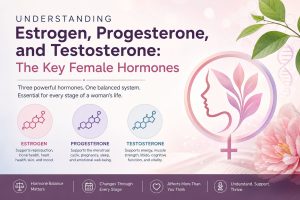
Understanding Estrogen, Progesterone, and Testosterone: The Key Female Hormones
Hormones are the body’s chemical messengers, helping different organs and systems communicate

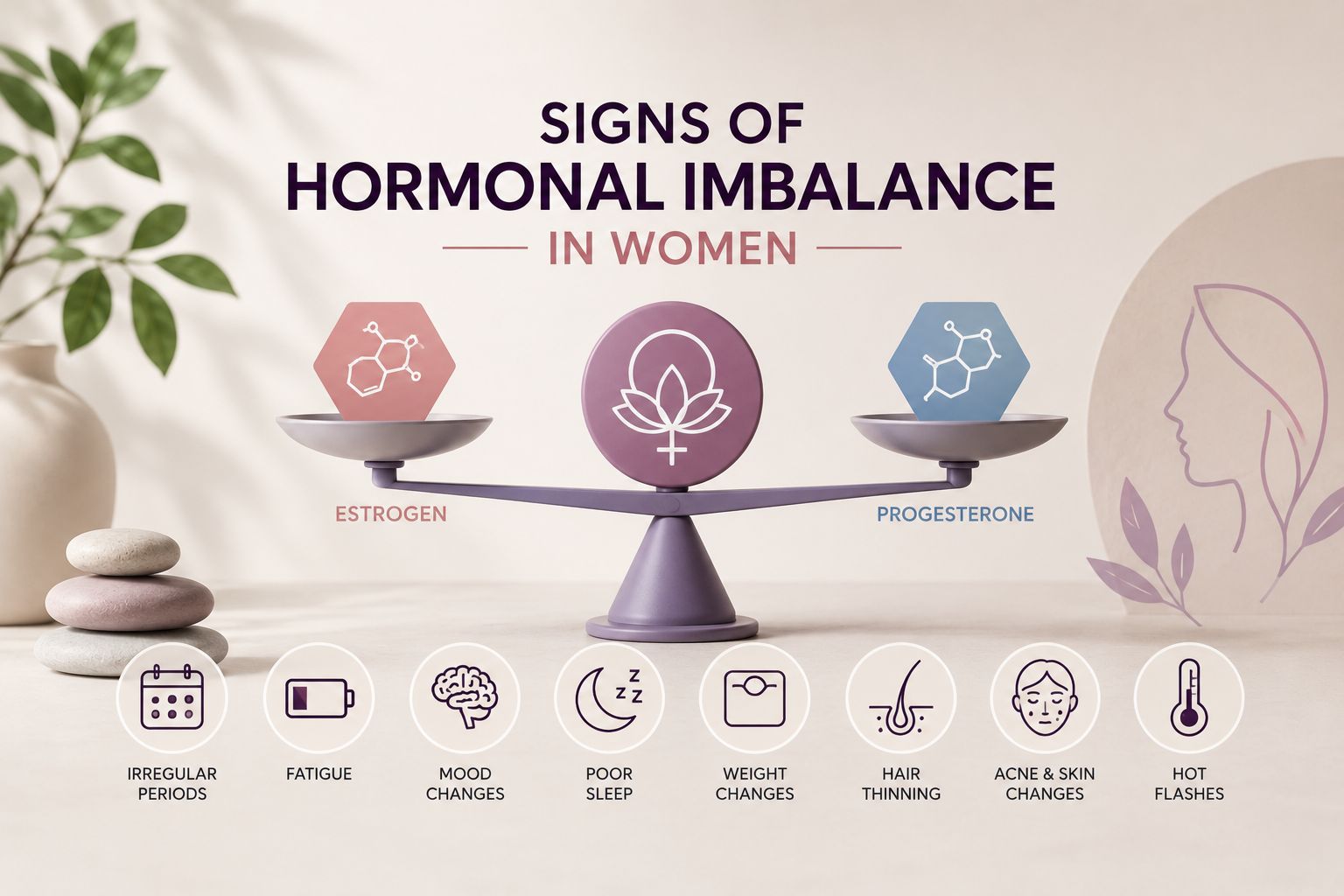
Hormones are the body’s chemical messengers, regulating essential functions such as metabolism, energy, mood, sleep, brain function, reproductive health, and overall well-being. Throughout life, hormone levels naturally fluctuate during puberty, pregnancy, the menstrual cycle, perimenopause, and menopause. However, factors like chronic stress, poor sleep, inadequate nutrition, aging, and certain medical conditions can also influence hormone balance.
The signs of hormonal imbalance in women can vary widely and may include irregular menstrual cycles, fatigue, mood changes, poor sleep, unexplained weight changes, acne, hair thinning, or hot flashes. While these symptoms are common, they are not specific to hormonal imbalance and may also be linked to thyroid disorders or other health conditions, making proper medical evaluation important.
In this guide, you’ll learn about the common signs, possible causes, and science-backed lifestyle strategies that support hormone health and long-term women’s wellness, helping you better understand your body and make informed health decisions.
Hormonal imbalance refers to a situation in which one or more hormones are produced in amounts that are either higher or lower than the body needs at a particular time. Because hormones work together as part of a complex endocrine system, even relatively small changes can influence multiple organs and body functions.
It’s important to understand that hormones naturally fluctuate throughout life. Not every hormonal change is abnormal, and experiencing occasional symptoms does not necessarily mean that a person has a hormone disorder. Instead, healthcare professionals evaluate symptoms alongside medical history, physical examinations, and, when appropriate, laboratory testing to determine whether an underlying hormonal condition may be present.
Hormones are produced by endocrine glands, including the ovaries, thyroid gland, adrenal glands, pancreas, and pituitary gland. After being released into the bloodstream, they travel throughout the body, delivering signals that help regulate essential biological processes.
Some of their key functions include:
Because hormones influence nearly every major body system, changes in hormone levels can sometimes affect several aspects of health at the same time.
Hormones rarely work independently. Instead, they interact continuously to maintain the body’s internal balance, known as homeostasis. When one hormone changes significantly, it can influence the activity of several others.
For example:
Because these hormones interact closely, changes affecting one system may produce symptoms that seem unrelated at first glance.
Hormonal fluctuations are a normal part of life. Many women experience temporary hormone changes during:
These natural transitions can cause temporary symptoms that often improve as hormone levels stabilize.
Persistent symptoms, however, may deserve closer attention. If fatigue, irregular periods, severe mood changes, ongoing sleep problems, or unexplained weight changes continue for several months or interfere with daily life, it’s important to speak with a qualified healthcare professional. These symptoms may be related to hormonal changes, but they can also result from conditions such as thyroid disorders, polycystic ovary syndrome (PCOS), nutritional deficiencies, or other medical concerns that require appropriate evaluation.
Understanding the difference between normal hormonal fluctuations and persistent hormonal imbalance is one of the first steps toward protecting long-term health and well-being.
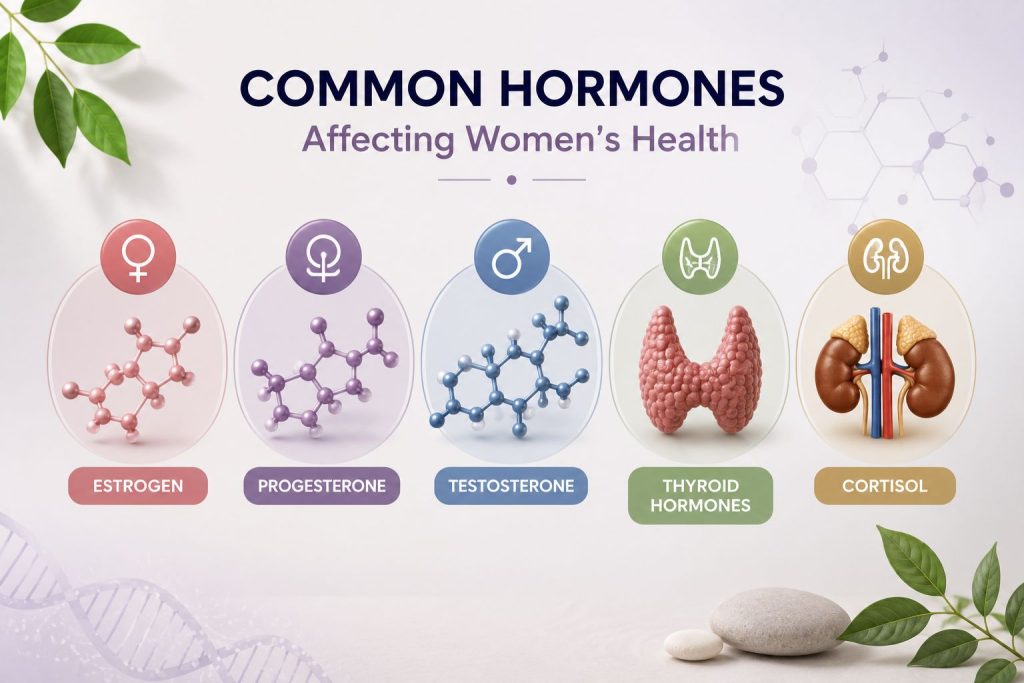
Several hormones play especially important roles throughout a woman’s life. While they work together, each has unique functions that support overall health.
Estrogen is one of the primary female sex hormones. Beyond reproductive health, it supports bone density, cardiovascular health, brain function, skin elasticity, and healthy cholesterol levels. An estrogen imbalance may contribute to symptoms such as irregular menstrual cycles, hot flashes, mood changes, or vaginal dryness, depending on whether estrogen levels are higher or lower than expected.
Progesterone helps prepare the uterus for pregnancy and supports menstrual cycle regulation. It also plays a role in sleep quality and mood. Changes associated with progesterone imbalance may contribute to irregular periods, sleep disturbances, or premenstrual symptoms in some women.
Although commonly associated with men, testosterone in women is produced in smaller amounts by the ovaries and adrenal glands. It contributes to muscle strength, bone health, libido, and overall energy. Maintaining appropriate testosterone levels is an important part of women’s hormonal health.
Produced by the thyroid gland, thyroid hormones regulate metabolism, body temperature, heart rate, digestion, and energy production. Both underactive and overactive thyroid function can produce symptoms that resemble hormonal imbalance, including fatigue, weight changes, hair thinning, and mood changes.
Known as the body’s primary stress hormone, cortisol helps regulate blood pressure, metabolism, inflammation, and the body’s response to physical and emotional stress. A prolonged cortisol imbalance associated with chronic stress may influence sleep, appetite, mood, and overall hormone wellness.
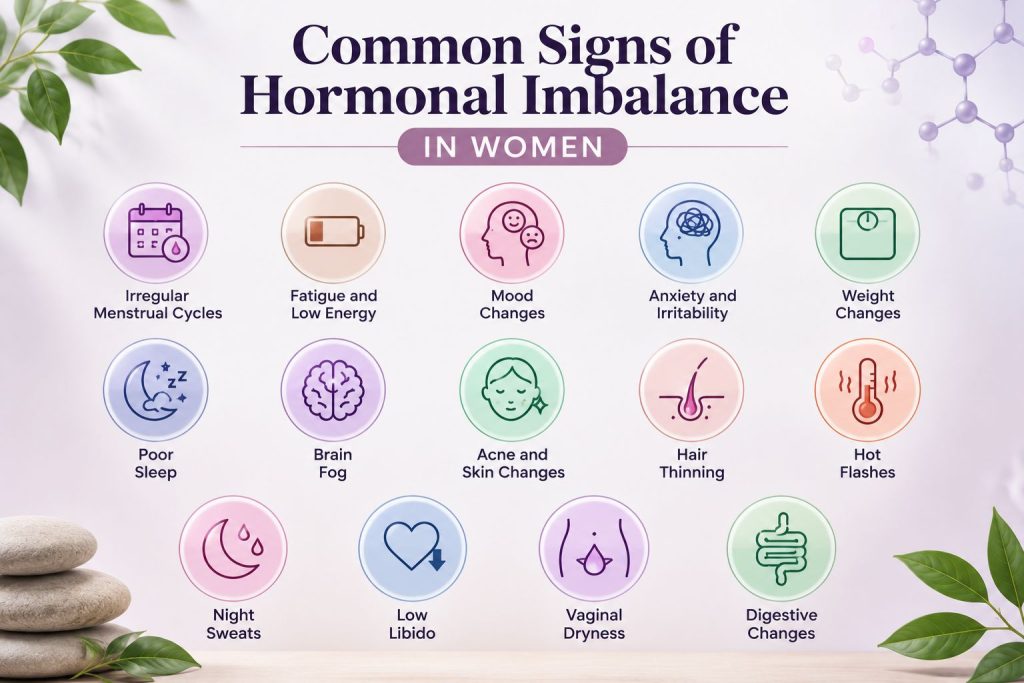
The signs of hormonal imbalance in women can vary significantly from person to person. Some women experience only mild symptoms, while others notice changes that interfere with their daily routines, work, or overall quality of life. It’s also important to remember that many of these symptoms are not exclusive to hormonal imbalance. They may be associated with other health conditions, making proper medical evaluation essential.
Recognizing these potential signs can help you better understand your body and know when it’s time to seek professional guidance.
One of the most common indicators of changing hormone levels is a noticeable shift in menstrual patterns. Hormones such as estrogen and progesterone work together to regulate the menstrual cycle, and changes in either hormone can affect timing, flow, or symptom severity.
Irregular periods may include:
Occasional irregularities are common, especially during perimenopause, after pregnancy, or during times of significant stress. However, persistent changes should be discussed with a healthcare professional.
Feeling tired after a busy day is normal, but ongoing fatigue that doesn’t improve with adequate rest may warrant attention.
Hormonal fluctuations can influence:
Women experiencing hormone-related fatigue often describe feeling physically drained or mentally exhausted, even after a full night’s sleep.
Hormones help regulate many neurotransmitters involved in emotional well-being. As hormone levels fluctuate, some women notice changes in mood that feel different from their usual emotional patterns.
Possible mood-related symptoms include:
These changes are commonly reported during perimenopause symptoms, menopause, and other hormonal transitions.
Changing hormone levels may also affect how the body responds to stress.
Some women experience:
It’s worth noting that chronic stress itself may further influence hormone regulation, creating a cycle that can be challenging to break without lifestyle changes or professional support.
Unexpected weight fluctuations are another commonly discussed symptom of hormone changes.
Some women notice:
While hormones can influence metabolism and body composition, weight changes are usually affected by multiple factors, including nutrition, physical activity, sleep, stress, and age.
Healthy hormone function and healthy sleep are closely connected.
Women experiencing hormonal fluctuations may notice:
Poor sleep can also contribute to further hormone disruption, making sleep quality an important component of overall hormone wellness.
Many women describe experiencing “brain fog” during periods of hormonal change.
This may include:
Brain fog is commonly reported during perimenopause and menopause, although it may also have other underlying causes that deserve evaluation.
Hormones influence oil production, collagen formation, and skin hydration.
As hormone levels fluctuate, some women may notice:
An estrogen imbalance or changes in androgen activity may contribute to these skin changes in some individuals.
Hair health is influenced by several hormones, including estrogen, thyroid hormones, and androgens.
Possible changes include:
Because hair loss has many possible causes, including nutritional deficiencies and thyroid conditions, professional evaluation may be helpful if symptoms persist.
Hot flashes are among the best-known menopause symptoms, although they may also begin during perimenopause.
They typically involve:
Episodes can last from a few seconds to several minutes and vary widely in frequency.
Night sweats are similar to hot flashes but occur during sleep.
Women may experience:
Frequent night sweats can contribute to ongoing fatigue and reduced daytime energy.
Changes in hormones such as estrogen and testosterone in women may influence sexual desire and overall sexual well-being.
Some women report:
Because emotional well-being, relationship factors, medications, and overall health also influence libido, hormonal changes represent only one possible contributing factor.
Lower estrogen levels, particularly during menopause, may affect vaginal tissue health.
Symptoms may include:
These changes are common during menopause and can often be discussed with a healthcare provider to explore appropriate management options.
Hormones also influence digestive function.
Some women notice:
These symptoms may become more noticeable during menstrual cycles, pregnancy, perimenopause, or periods of elevated stress.
One reason hormonal imbalance can be difficult to recognize is that many symptoms overlap with other health conditions.
For example:
Rather than relying on a single symptom, healthcare professionals consider a person’s overall health history, symptom patterns, physical examination, and, when appropriate, laboratory testing to determine whether hormones may be contributing to these changes.
Hormone levels naturally fluctuate throughout a woman’s life, and not every change indicates a medical problem. However, when hormone levels remain outside their typical range or the body’s hormonal signaling becomes disrupted, women may experience persistent symptoms that affect their daily lives.
Hormonal changes can result from natural life stages, underlying medical conditions, lifestyle factors, or a combination of several influences. Understanding these potential causes can help women recognize when it’s appropriate to seek professional evaluation.
Perimenopause is the transitional stage leading up to menopause and often begins during a woman’s 40s, although it may start earlier for some individuals.
During this time, estrogen and progesterone levels fluctuate more unpredictably, which may contribute to symptoms such as:
Perimenopause can last several years before menopause officially occurs, making it one of the most common causes of hormone-related symptoms in midlife.
Menopause is diagnosed after 12 consecutive months without a menstrual period. During this stage, estrogen and progesterone production decline significantly.
Common menopause symptoms may include:
Although menopause is a natural stage of aging rather than a disease, its symptoms can vary widely in severity and duration.
Pregnancy involves some of the most dramatic hormonal changes a woman’s body will experience.
Hormones such as estrogen, progesterone, and human chorionic gonadotropin (hCG) increase substantially to support fetal development. These changes may contribute to:
After childbirth, hormone levels shift rapidly again, and some women experience temporary symptoms as the body adjusts.
PCOS is one of the most common hormonal conditions affecting women of reproductive age.
It may involve changes in reproductive hormones and insulin regulation, leading to symptoms such as:
Because PCOS affects individuals differently, diagnosis should always be made by a qualified healthcare professional.
The thyroid gland plays a central role in regulating metabolism, energy production, and body temperature.
When thyroid hormones are either too low or too high, women may experience symptoms including:
Since thyroid disorders can closely resemble hormonal imbalance, healthcare providers often evaluate thyroid function when investigating persistent symptoms.
Stress is a normal part of life, but long-term or unmanaged stress can influence hormone regulation.
The adrenal glands produce cortisol, commonly known as the body’s primary stress hormone. While cortisol is essential for normal body function, prolonged stress may contribute to a cortisol imbalance, which can affect:
Chronic stress may also indirectly influence reproductive hormones by affecting the body’s overall endocrine balance.
Sleep and hormone production are closely connected.
Consistently inadequate or poor-quality sleep may influence:
Prioritizing healthy sleep habits is an important component of long-term hormone wellness.
Nutrition provides the building blocks the body needs to produce hormones and maintain healthy metabolic function.
While no single food can “balance hormones,” an overall dietary pattern that includes:
supports general health and may contribute to better hormone regulation as part of a healthy lifestyle.
Regular physical activity supports overall health, but excessive exercise combined with inadequate calorie intake may disrupt hormone production.
In some women, intense training without sufficient recovery can contribute to:
Finding an appropriate balance between exercise, recovery, and nutrition is essential.
Hormone production naturally changes with age.
Beginning in the late 30s and continuing through menopause, estrogen, progesterone, and testosterone levels gradually shift. These changes are a normal part of healthy aging and may contribute to some of the symptoms commonly associated with midlife.
Some medications may influence hormone levels or hormone activity.
Examples include:
Anyone experiencing new symptoms after starting a medication should discuss concerns with their healthcare provider rather than stopping treatment independently.
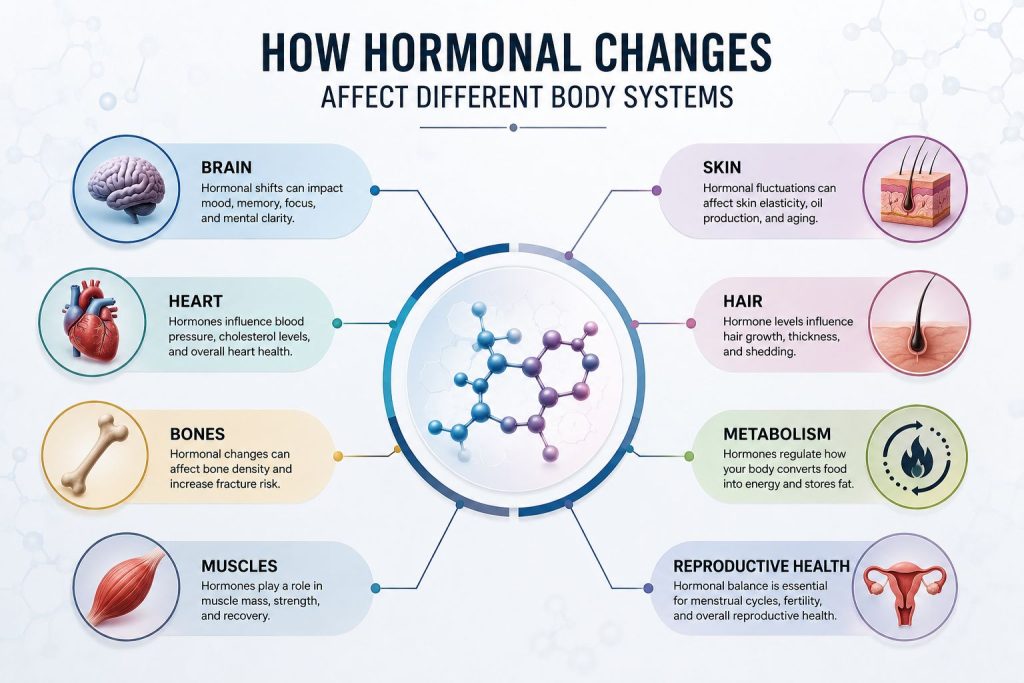
Hormones act as messengers throughout the body, so changes in hormone levels often affect multiple organs rather than a single system.
Hormones help regulate memory, concentration, mood, and emotional well-being.
Changes in estrogen or progesterone may contribute to:
Estrogen supports cardiovascular health by helping maintain healthy blood vessel function.
As estrogen declines during menopause, maintaining heart-healthy lifestyle habits becomes increasingly important.
Estrogen plays an important role in preserving bone density.
Lower estrogen levels after menopause may gradually increase the risk of bone loss over time, highlighting the importance of nutrition, weight-bearing exercise, and appropriate medical care.
Hormones influence muscle maintenance, strength, and recovery.
Both estrogen and testosterone in women contribute to preserving lean muscle mass, particularly during healthy aging.
Hormonal fluctuations can influence:
These changes may contribute to dryness, acne, or visible signs of aging.
Healthy hair growth depends on multiple hormones.
Changes in estrogen, thyroid hormones, or androgen activity may contribute to hair thinning or increased shedding in some women.
Hormones regulate how efficiently the body converts food into energy.
Changes affecting thyroid hormones, insulin, cortisol, or estrogen may influence:
Reproductive hormones regulate:
Healthy hormonal communication is essential throughout every stage of a woman’s reproductive life.
While lifestyle changes cannot treat every hormonal condition, research consistently shows that healthy daily habits support overall endocrine function and long-term well-being.
Focus on a variety of whole foods, including vegetables, fruits, whole grains, legumes, lean proteins, and healthy fats to support overall health.
Protein helps maintain muscle mass, supports metabolism, and promotes satiety. Including a quality protein source at each meal can contribute to healthy aging and overall wellness.
Fiber supports digestive health, blood sugar regulation, and cardiovascular health. Aim to include vegetables, fruits, legumes, and whole grains regularly.
Unsaturated fats from foods such as olive oil, avocados, nuts, seeds, and fatty fish support overall health and provide essential nutrients involved in hormone production.
Regular movement supports:
Aim for a combination of aerobic exercise and strength training throughout the week.
Resistance exercise becomes increasingly valuable during perimenopause and menopause, helping preserve muscle mass, support bone density, and improve functional strength.
Most adults benefit from seven to nine hours of quality sleep each night. Consistent sleep schedules and good sleep hygiene support overall hormone health.
Healthy stress-management practices may include:
Reducing chronic stress may also help support healthy cortisol regulation.
Adequate hydration supports digestion, circulation, temperature regulation, and overall physiological function.
Moderating alcohol intake may support better sleep, metabolic health, and overall wellness.
Rather than focusing solely on the number on the scale, prioritize sustainable lifestyle habits that support long-term metabolic and cardiovascular health.
Together, these evidence-based strategies can help support hormone health, healthy aging, and overall women’s wellness. While lifestyle changes are beneficial for many people, persistent symptoms should always be discussed with a qualified healthcare professional for individualized evaluation and care.
Hormonal changes are a normal part of life, particularly during puberty, pregnancy, perimenopause, and menopause. However, when symptoms become persistent, severe, or begin affecting your daily activities, it’s important to seek guidance from a qualified healthcare professional.
Because many symptoms associated with hormonal imbalance can also be caused by other medical conditions, a proper evaluation may include a review of your medical history, physical examination, and, when appropriate, laboratory testing. Early assessment can help identify underlying causes and ensure you receive appropriate care.
Consider speaking with a healthcare professional if you experience any of the following:
Occasional hormonal fluctuations are common, but symptoms that persist for several months without improvement deserve further evaluation.
Examples include:
A healthcare provider should evaluate menstrual changes that are unexpected or significantly different from your usual cycle.
These may include:
While hot flashes are common during perimenopause and menopause, severe or frequent episodes that interfere with sleep, work, or daily life may benefit from medical evaluation and individualized management.
If adequate sleep, balanced nutrition, and regular physical activity do not improve your energy levels, it’s important to investigate potential underlying causes, including thyroid disorders, nutritional deficiencies, or hormone-related conditions.
Unexpected weight gain or weight loss without significant lifestyle changes should always be discussed with a healthcare professional.
Women who are having difficulty becoming pregnant, experiencing irregular ovulation, or noticing significant menstrual changes should seek appropriate medical guidance to determine whether hormonal or other reproductive factors may be involved.
Mood changes can occur during hormonal transitions, but persistent anxiety, depression, or emotional distress that interferes with relationships, work, or everyday functioning should never be ignored. A healthcare professional can help identify possible contributing factors and recommend appropriate support.
Hormones influence nearly every aspect of a woman’s health, affecting everything from reproductive function and metabolism to mood, sleep, brain health, and healthy aging. Because hormonal changes can present in many different ways, recognizing persistent symptoms and understanding their potential causes are important steps toward protecting your long-term well-being.
It’s equally important to remember that symptoms alone cannot diagnose a hormonal imbalance. Conditions such as thyroid disorders, nutritional deficiencies, chronic stress, and other health concerns may cause similar symptoms. Supporting hormone health starts with a balanced lifestyle that includes nutritious eating, regular physical activity, quality sleep, stress management, and routine healthcare. By staying informed and seeking professional guidance when needed, you can make evidence-based decisions that support lifelong women’s wellness and overall health.
Early signs may include irregular periods, fatigue, mood changes, poor sleep, weight fluctuations, acne, brain fog, or hair thinning. Since these symptoms have many possible causes, persistent changes should be evaluated by a healthcare professional.
Hormonal imbalance can result from natural life stages like pregnancy, perimenopause, and menopause, as well as conditions such as PCOS, thyroid disorders, chronic stress, poor sleep, aging, certain medications, and lifestyle factors.
Yes. Chronic stress may increase cortisol levels, which can affect sleep, mood, metabolism, and overall hormone regulation. Managing stress through healthy lifestyle habits may help support hormone health and overall well-being.
Hormonal changes may contribute to weight gain by affecting metabolism, appetite, and body composition. However, nutrition, physical activity, sleep, aging, medications, and other health conditions also play important roles.
Key hormones include estrogen, progesterone, testosterone, thyroid hormones, insulin, and cortisol. Together, they regulate reproductive health, metabolism, mood, energy, sleep, bone health, and many other essential body functions.

Understanding hormonal imbalance is just the beginning. Explore the Ascenda Labs Learning Center for science-backed educational content on female hormones, healthy aging, and the latest peptide research. Our evidence-based resources are designed to help you better understand hormone wellness and stay informed about emerging advancements in longevity and wellness science.
Hormones are the body’s chemical messengers, helping different organs and systems communicate
Hormones influence nearly every aspect of a woman’s health, from energy levels
Peptide purification is a critical step in research that ensures your peptides
Peptide synthesis has gone from being a niche laboratory technique to a