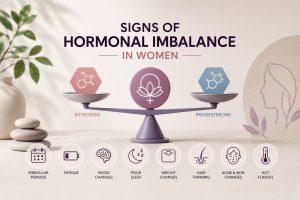
Signs of Hormonal Imbalance in Women: Causes, Symptoms & Wellness Strategies
Hormones are the body’s chemical messengers, regulating essential functions such as metabolism,
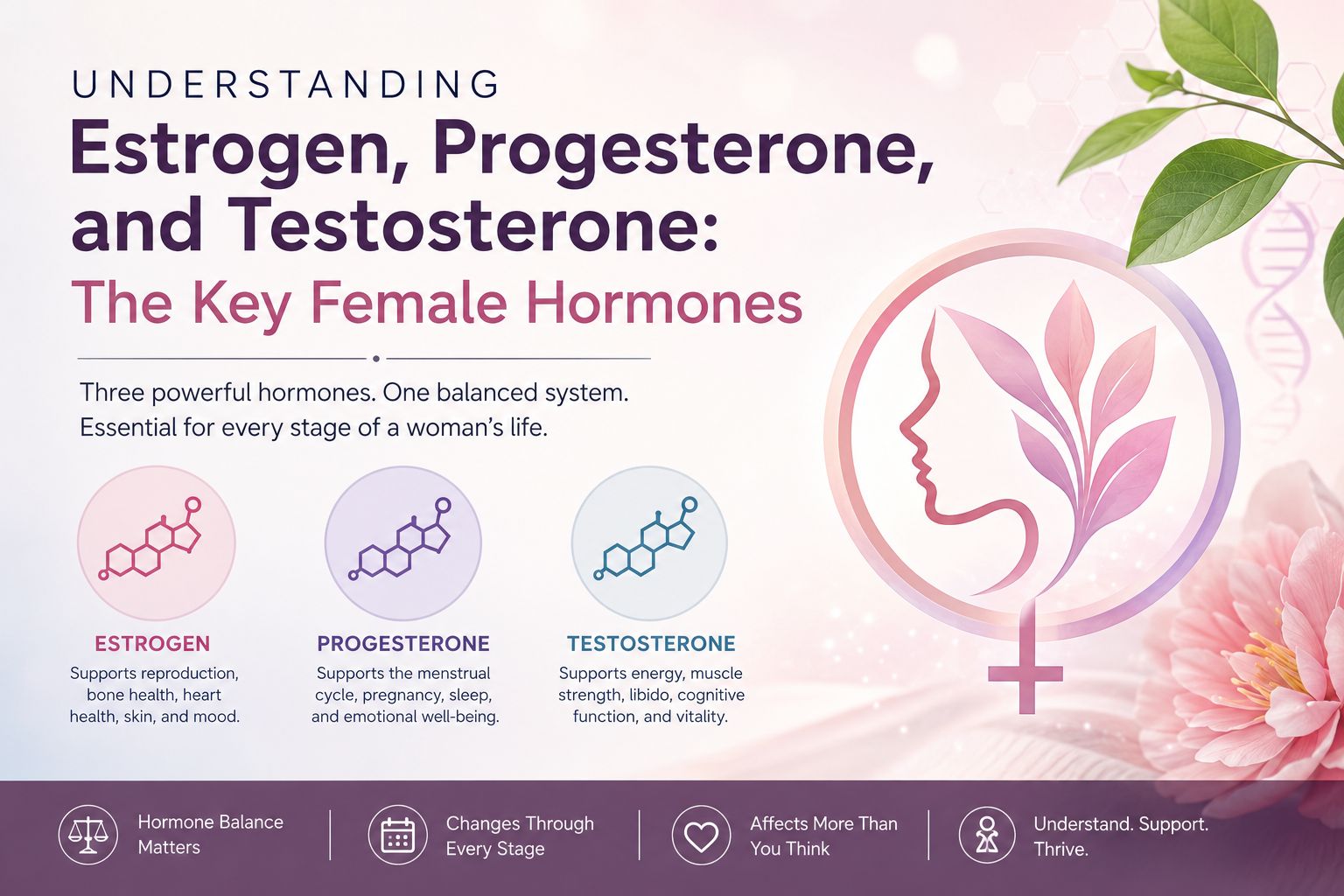
Hormones are the body’s chemical messengers, helping different organs and systems communicate so everything functions properly. While many people associate hormones with reproduction, their role extends far beyond fertility. Female hormones influence mood, energy, metabolism, sleep, brain function, bone strength, heart health, muscle maintenance, skin health, and healthy aging.
Among the many hormones produced by the body, estrogen, progesterone, and testosterone are the three primary female hormones. Each has its own unique role, but they work together as a balanced system. When one hormone naturally rises or falls, it can affect the others, making female hormone balance essential for overall health and well-being.
Hormone levels naturally change throughout a woman’s life due to puberty, the menstrual cycle, pregnancy, perimenopause, menopause, aging, stress, nutrition, and lifestyle habits. While these changes are often a normal part of life, understanding how hormones work can help women recognize what’s typical and know when it’s time to seek medical advice.
Whether you’re looking to better understand estrogen, progesterone, testosterone in women, or simply want to learn more about hormonal health, this guide explains the role of each hormone, why balance matters, common signs of hormonal changes, and practical ways to support long-term wellness.
Female hormones are naturally occurring chemical messengers that travel through the bloodstream to regulate important processes throughout the body. They are produced primarily by the ovaries during the reproductive years, while the adrenal glands also contribute smaller amounts. After menopause, body fat and other tissues continue to produce limited amounts of certain hormones, particularly estrogen.
Although dozens of hormones influence women’s health, estrogen, progesterone, and testosterone are the primary sex hormones responsible for many physical and physiological functions. They help regulate the menstrual cycle, ovulation, fertility, and pregnancy, while also supporting healthy bones, brain function, metabolism, muscles, skin, and cardiovascular health.
One important fact to remember is that hormones never work alone. Instead, they function as an interconnected system. A change in one hormone can influence the activity of others, which is why maintaining female hormone balance is so important. Temporary hormonal fluctuations are completely normal, especially during different stages of life, but persistent symptoms that affect daily life should always be discussed with a qualified healthcare professional.
Understanding the primary roles of each hormone makes it easier to see how they contribute to overall health.
| Hormone | Main Role | Produced By | Major Functions |
| Estrogen | Supports reproductive development and overall health | Primarily the ovaries | Regulates the menstrual cycle, supports bone density, brain function, heart health, skin health, and cholesterol balance |
| Progesterone | Balances estrogen and prepares the body for pregnancy | Ovaries after ovulation | Supports the uterine lining, menstrual cycle, sleep, mood, and hormonal balance |
| Testosterone | Supports strength, energy, and sexual wellness | Ovaries and adrenal glands | Helps maintain muscle mass, bone health, libido, motivation, energy, and cognitive function |
Although estrogen often receives the most attention, progesterone and testosterone are equally important for women’s health. Together, these hormones help regulate numerous body systems and adapt to the changing needs of each stage of life. Understanding their individual roles provides the foundation for recognizing hormonal changes and making informed decisions that support lifelong wellness.
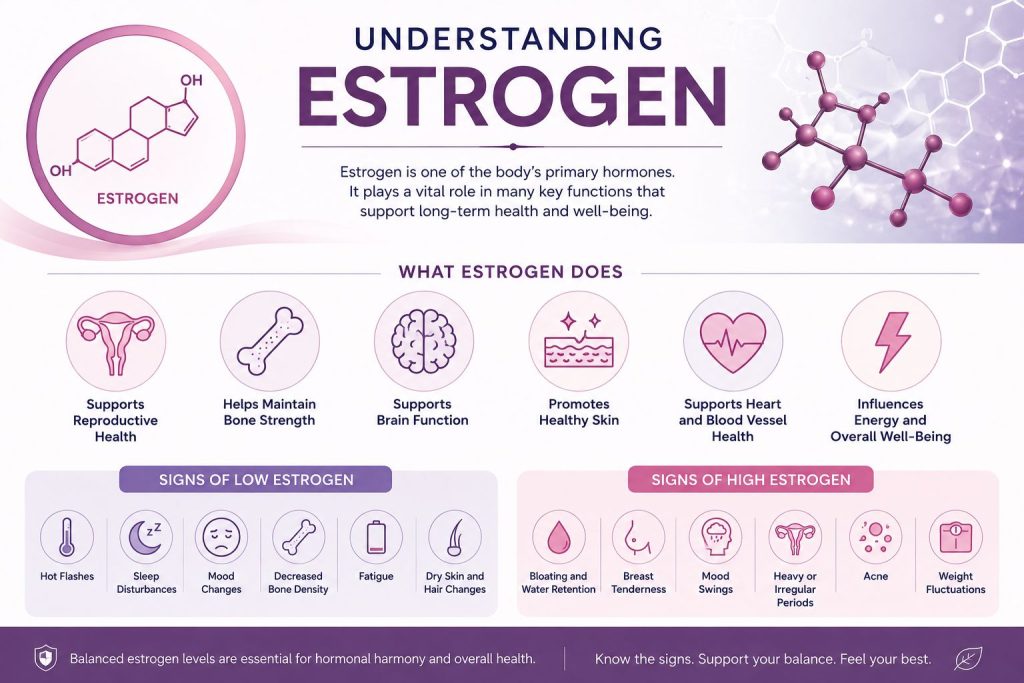
Estrogen is often considered the primary female sex hormone because it plays a central role in reproductive health and overall well-being. However, its influence extends far beyond the reproductive system. Estrogen receptors are found throughout the body, including the brain, bones, heart, skin, muscles, and blood vessels. This means changes in estrogen levels can affect many aspects of a woman’s physical and emotional health.
Throughout the reproductive years, estrogen levels naturally rise and fall during the menstrual cycle. They also change significantly during pregnancy, perimenopause, and menopause. These natural fluctuations help regulate important biological processes and prepare the body for different stages of life.
One of estrogen’s primary functions is regulating the menstrual cycle and supporting ovulation. It helps mature ovarian follicles, thickens the uterine lining in preparation for a potential pregnancy, and works closely with progesterone to maintain reproductive health.
Estrogen plays a vital role in preserving bone density by supporting the balance between bone formation and bone breakdown. As estrogen levels naturally decline with age, particularly after menopause, women become more susceptible to bone loss. Maintaining healthy bones through nutrition, physical activity, and medical guidance becomes increasingly important during this stage of life.
Estrogen contributes to normal brain function by supporting communication between nerve cells. Research suggests it plays a role in memory, learning, concentration, and mood regulation. Some women experience temporary brain fog or difficulty concentrating during periods of hormonal fluctuation, such as perimenopause.
Healthy estrogen levels help maintain skin hydration, elasticity, and collagen production. These functions contribute to smoother, healthier-looking skin. As estrogen naturally decreases with age, some women notice drier skin, reduced elasticity, and the appearance of fine lines as part of the normal aging process.
Estrogen helps support healthy blood vessel function and contributes to maintaining normal cholesterol balance before menopause. Although cardiovascular health depends on many factors, estrogen is one of the hormones involved in supporting a healthy circulatory system.
Estrogen also affects metabolism, body temperature regulation, sleep quality, and emotional well-being. Because it interacts with multiple body systems, balanced estrogen levels contribute to feeling healthy, energetic, and mentally focused.
Low estrogen can occur naturally during menopause, but younger women may also experience lower levels due to certain medical conditions, excessive exercise, nutritional deficiencies, or other factors. Symptoms vary from person to person and should always be evaluated by a healthcare professional.
Common signs of low estrogen may include:
Experiencing one or more of these symptoms does not necessarily mean estrogen is low, as many health conditions can produce similar symptoms. Proper medical assessment is essential.
Higher-than-normal estrogen levels can also contribute to unwanted symptoms. Hormone balance is complex, and elevated estrogen does not always indicate an underlying medical problem. Lifestyle factors, medications, and certain health conditions may all influence hormone levels.
Possible signs associated with higher estrogen levels include:
Because these symptoms may have many possible causes, self-diagnosis should be avoided. If symptoms become persistent or begin interfering with daily life, consulting a qualified healthcare professional is the best way to determine the underlying cause.
Progesterone is often called the “balancing hormone” because it works closely with estrogen to regulate the menstrual cycle and support reproductive health. It is primarily produced by the ovaries after ovulation and plays a key role in preparing the uterus for a possible pregnancy. If pregnancy does not occur, progesterone levels naturally decline, triggering the start of a new menstrual cycle.
While progesterone is best known for its role in reproduction, its effects reach far beyond pregnancy. It also supports sleep, mood, the nervous system, and overall female hormone balance.
After ovulation, progesterone helps thicken and maintain the uterine lining, creating an environment that can support a fertilized egg. If pregnancy doesn’t occur, progesterone levels drop, causing the uterine lining to shed during menstruation.
This natural rise and fall of progesterone is an essential part of a healthy menstrual cycle and works in harmony with estrogen to regulate reproductive function.
Progesterone contributes to many areas of women’s health, including:
Progesterone levels naturally fluctuate during the menstrual cycle and decline during menopause. In some women, lower levels may contribute to symptoms such as:
These symptoms can also be associated with other health conditions, so professional medical evaluation is recommended if symptoms are persistent or disruptive.
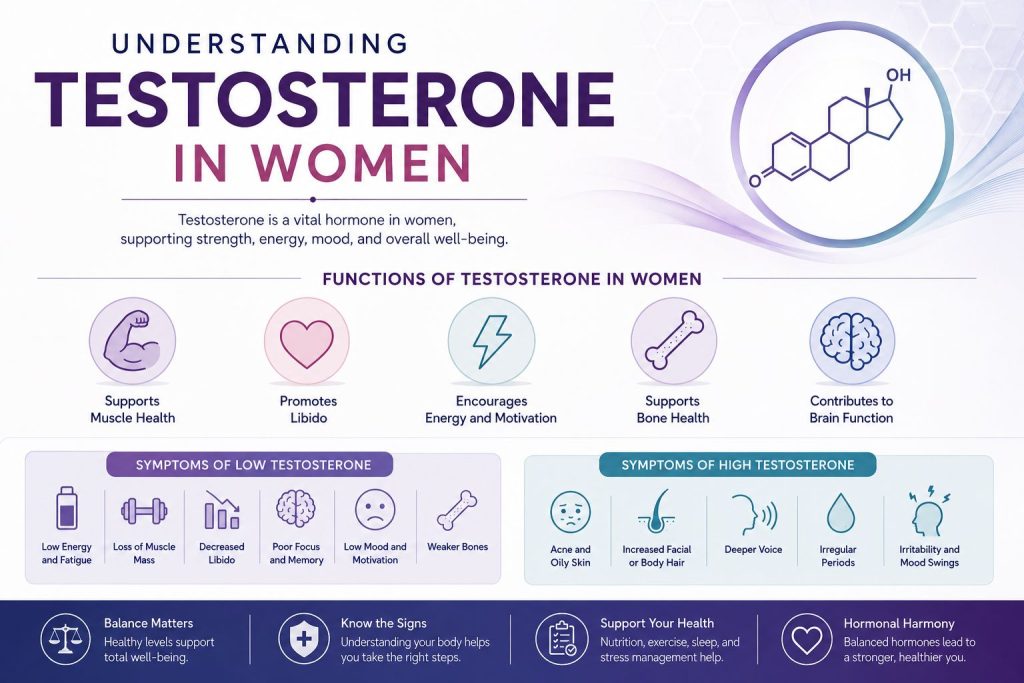
Many people think of testosterone as a male hormone, but women naturally produce testosterone as well. Although women have much lower levels than men, this hormone plays an important role in maintaining overall health.
Testosterone is produced by both the ovaries and the adrenal glands. It supports muscle strength, bone health, energy production, cognitive function, and sexual wellness. Like estrogen and progesterone, testosterone levels naturally change with age and throughout different stages of life.
Testosterone helps maintain lean muscle mass and contributes to overall physical strength, making it an important hormone for mobility and healthy aging.
Healthy testosterone levels support sexual desire and overall sexual well-being. Because libido is influenced by many physical and emotional factors, testosterone is only one part of the picture.
Testosterone contributes to normal energy production and may influence motivation, confidence, and overall vitality.
Together with estrogen, testosterone helps maintain healthy bones and supports long-term skeletal strength.
Research suggests testosterone may play a role in cognitive performance, mental clarity, and overall brain health.
As women age, testosterone levels naturally decline. Lower levels may be associated with:
Higher-than-normal testosterone levels may contribute to symptoms such as:
Because these symptoms may result from various medical conditions, hormone testing and professional evaluation are important before drawing conclusions.
Although estrogen, progesterone, and testosterone each have distinct functions, they work as an interconnected system rather than independently. Maintaining female hormone balance is essential because a change in one hormone can influence the others and affect multiple body systems.
For example, during a typical menstrual cycle:
Together, these hormones help regulate:
Because they function as a team, hormonal balance is more important than focusing on a single hormone.
Hormone levels naturally change throughout every stage of a woman’s life.
During puberty, estrogen and progesterone begin increasing, leading to physical development, menstrual cycles, and reproductive maturity.
Hormones fluctuate throughout each menstrual cycle to regulate ovulation and fertility. These monthly changes are a normal part of reproductive health.
Pregnancy causes significant increases in estrogen and progesterone to support fetal development and prepare the body for childbirth.
Perimenopause is the transitional stage before menopause. Hormone levels become more unpredictable, often causing symptoms such as irregular periods, hot flashes, sleep disturbances, and mood changes.
Menopause marks the end of menstrual cycles. Estrogen and progesterone decline significantly, while testosterone also gradually decreases with age. These hormonal changes are a natural part of healthy aging.
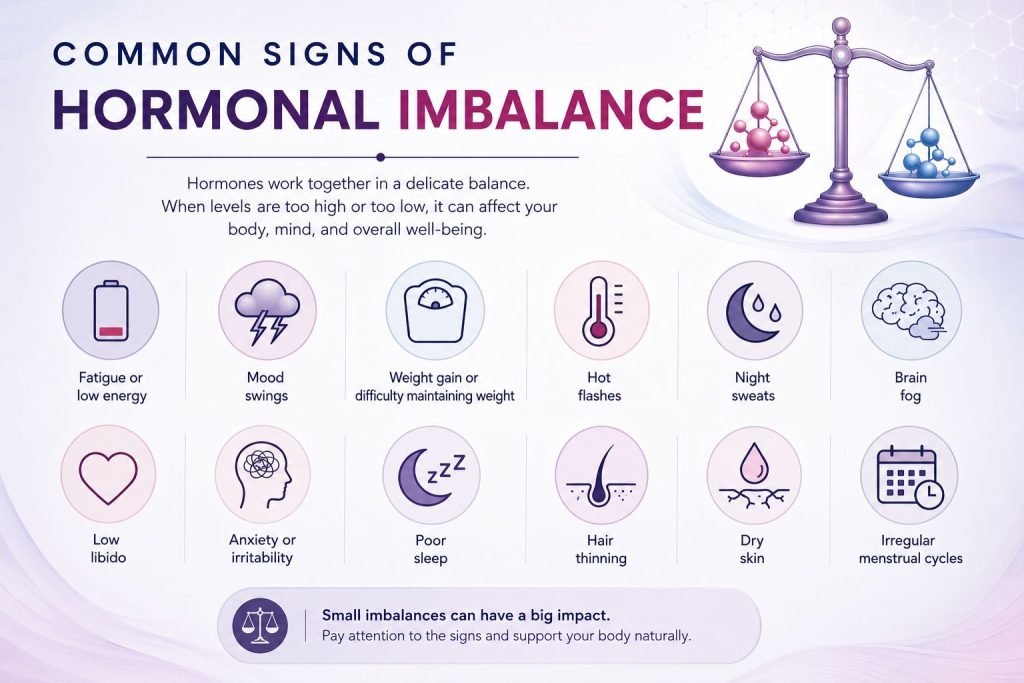
Hormonal fluctuations are normal, but persistent symptoms may indicate an imbalance that should be evaluated by a healthcare professional.
Common symptoms include:
These symptoms can have many possible causes, so professional evaluation is important for an accurate diagnosis.
Many factors can influence women’s hormones, including:
While not every factor can be controlled, adopting healthy daily habits can help support overall hormonal health.
Although lifestyle changes cannot replace medical treatment when needed, they can help support overall wellness and healthy hormone function.
Helpful habits include:
Small, consistent lifestyle choices often have a meaningful impact on long-term health.
Occasional hormonal changes are normal. However, it’s important to seek medical advice if symptoms become persistent, worsen over time, or interfere with your daily life.
A healthcare professional may recommend:
Avoid self-diagnosing hormone imbalances based solely on symptoms or information found online. Professional guidance is essential for determining the underlying cause and identifying the most appropriate approach.
Understanding female hormones is an important step toward supporting your long-term health. While estrogen, progesterone, and testosterone each have unique roles, they work together to regulate mood, energy, metabolism, bone health, sleep, and many other essential functions.
Hormone levels naturally change throughout life, and these changes are often a normal part of aging. By understanding how hormones work, recognizing common symptoms, maintaining healthy lifestyle habits, and seeking medical advice when needed, women can make more informed decisions about their hormonal health.
At Ascenda Labs, we believe education empowers better wellness choices. Explore our science-based resources on female hormones, perimenopause, menopause, and healthy aging to stay informed and better understand the factors that support lifelong hormonal wellness.
Estrogen, progesterone, and testosterone function as an interconnected system. Together they regulate the menstrual cycle, ovulation, fertility, mood, energy, bone health, muscle function, and metabolism. A healthy balance between these hormones supports overall physical and emotional well-being.
Symptoms may include fatigue, mood swings, irregular periods, hot flashes, poor sleep, brain fog, low libido, weight changes, hair thinning, and dry skin. Because these symptoms can have many causes, they should be evaluated by a qualified healthcare professional.
The three primary female hormones are estrogen, progesterone, and testosterone. Each plays a unique role in reproductive health, metabolism, bone strength, brain function, muscle health, and overall hormonal balance.
Estrogen supports reproductive health, regulates the menstrual cycle, helps maintain bone density, contributes to heart and brain health, supports skin elasticity, and influences mood, metabolism, and overall well-being.
Progesterone prepares the uterus for pregnancy, regulates the menstrual cycle, balances estrogen, and supports sleep, mood, and nervous system function throughout the reproductive years.
Although women produce much lower levels than men, testosterone supports muscle strength, bone health, energy, cognitive function, confidence, and sexual wellness. Healthy testosterone levels contribute to overall vitality and healthy aging.

Understanding female hormones is just the beginning. Explore the Ascenda Labs Learning Center for science-backed articles on estrogen, progesterone, testosterone, perimenopause, menopause, healthy aging, and peptide research. Our educational resources are designed to help you better understand women’s hormonal health and stay informed about the latest advancements in wellness and longevity research.
Hormones are the body’s chemical messengers, regulating essential functions such as metabolism,
Hormones influence nearly every aspect of a woman’s health, from energy levels
Peptide purification is a critical step in research that ensures your peptides
Peptide synthesis has gone from being a niche laboratory technique to a