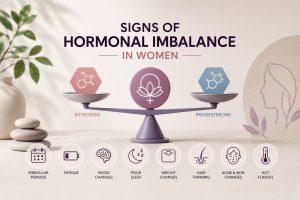
Signs of Hormonal Imbalance in Women: Causes, Symptoms & Wellness Strategies
Hormones are the body’s chemical messengers, regulating essential functions such as metabolism,

Hormones influence nearly every aspect of a woman’s health, from energy levels and mood to metabolism, reproductive health, sleep, and healthy aging. Yet many women experience hormonal changes without fully understanding what’s happening inside their bodies. Symptoms like fatigue, mood swings, irregular periods, brain fog, weight changes, or sleep disturbances are often overlooked, even though they may be linked to shifting hormone levels.
Female hormones are the body’s chemical messengers, helping regulate countless processes and keeping different body systems working together. These hormones naturally fluctuate throughout life from puberty and the reproductive years to perimenopause, menopause, and beyond. While these changes are expected, factors such as stress, poor sleep, nutrition, aging, and certain medical conditions can also affect hormonal balance.
In this complete female hormones guide, you’ll learn what female hormones are, how they change with age, common signs of hormonal imbalance, natural ways to support hormonal health, and when it’s time to seek professional medical advice. We’ll also explore emerging wellness topics, including peptide research from an educational perspective to help you better understand the evolving landscape of women’s health.
Female hormones are naturally occurring chemical messengers produced by the endocrine system that regulate communication between organs and tissues throughout the body. While many people associate hormones only with reproduction, they actually influence nearly every major body system, including the brain, heart, bones, muscles, metabolism, immune function, and emotional well-being.
Hormones travel through the bloodstream to deliver signals that tell different organs how to function. Even small changes in hormone levels can affect how the body operates, which is why hormonal fluctuations may produce noticeable physical or emotional symptoms.
Although women produce many of the same hormones as men, the balance and interaction of these hormones differ significantly. Female hormones fluctuate in predictable patterns during the menstrual cycle and continue evolving throughout each stage of life, making hormonal health a dynamic and lifelong process.
The endocrine system is a network of glands that produce and release hormones into the bloodstream. These glands work together to regulate essential body functions while responding to internal and external changes.
Key endocrine glands involved in female hormonal health include:
These glands constantly communicate through sophisticated feedback systems to keep hormone production balanced according to the body’s changing needs.
Think of hormones as the body’s internal communication network. They carry instructions from one part of the body to another, ensuring that different organs work together efficiently.
For example:
Because hormones affect multiple systems simultaneously, even a single hormone change can have widespread effects throughout the body.
One of the biggest misconceptions about hormonal health is that each hormone works independently. In reality, hormones function as an interconnected network where changes in one hormone can influence many others.
For example:
This interconnected nature explains why hormonal symptoms are often complex and why improving overall hormonal wellness usually requires looking at the body as a whole rather than focusing on a single hormone.
Understanding these relationships provides a stronger foundation for recognizing hormonal changes and supporting long-term health.
Hormones don’t simply regulate the menstrual cycle. They influence virtually every stage of a woman’s life. From adolescence through postmenopause, healthy hormone communication helps maintain physical health, emotional well-being, and overall quality of life.
Because hormones interact with nearly every major organ system, even natural fluctuations can affect how you feel, think, and function on a daily basis.
Hormones regulate ovulation, menstrual cycles, fertility, pregnancy, and menopause. Estrogen and progesterone work together to prepare the body for reproduction while supporting healthy menstrual function throughout the reproductive years.
Hormones play an important role in memory, concentration, learning, and mental clarity. Many women notice changes in focus or experience brain fog during periods of hormonal transition, such as pregnancy or perimenopause.
Hormonal fluctuations can influence neurotransmitters involved in emotional regulation. This helps explain why some women experience mood swings, irritability, anxiety, or changes in emotional resilience during different stages of the menstrual cycle or menopause.
Hormones help regulate how efficiently the body converts food into energy. Thyroid hormones, insulin, cortisol, and reproductive hormones all contribute to maintaining healthy metabolism and stable energy levels.
Hormones such as progesterone, cortisol, and melatonin influence sleep patterns and recovery. Disruptions in these hormones may contribute to difficulty falling asleep, nighttime waking, or feeling unrested despite adequate sleep.
Hormones influence appetite, fat storage, muscle maintenance, and how the body uses calories. Natural hormonal changes during perimenopause and menopause, along with factors like stress and reduced physical activity, can make maintaining a healthy weight more challenging.
Healthy hormone levels support collagen production, skin hydration, wound healing, and normal hair growth. Hormonal fluctuations may contribute to acne, dry skin, increased sensitivity, hair thinning, or changes in hair texture at different stages of life.
Sex hormones including estrogen, progesterone, and testosterone play important roles in sexual desire, vaginal health, comfort during intimacy, and overall sexual well-being. Changes in these hormones can affect libido and sexual function over time.
Estrogen helps maintain bone remodeling and strength. As estrogen levels naturally decline with age, particularly after menopause, bone loss can accelerate, making bone health an important consideration for long-term wellness.
Hormones also influence cardiovascular health by affecting blood vessel function, cholesterol metabolism, and circulation. Maintaining heart-healthy lifestyle habits becomes increasingly important as hormone levels change throughout adulthood.
Hormones help preserve muscle mass, support recovery after exercise, and contribute to physical performance. Strength training, adequate protein intake, and healthy lifestyle habits can help maintain muscle health throughout life.
Hormonal health is closely connected to healthy aging. While hormone levels naturally evolve over time, supporting overall wellness through nutrition, regular physical activity, quality sleep, stress management, and preventive healthcare can help women maintain vitality at every age.
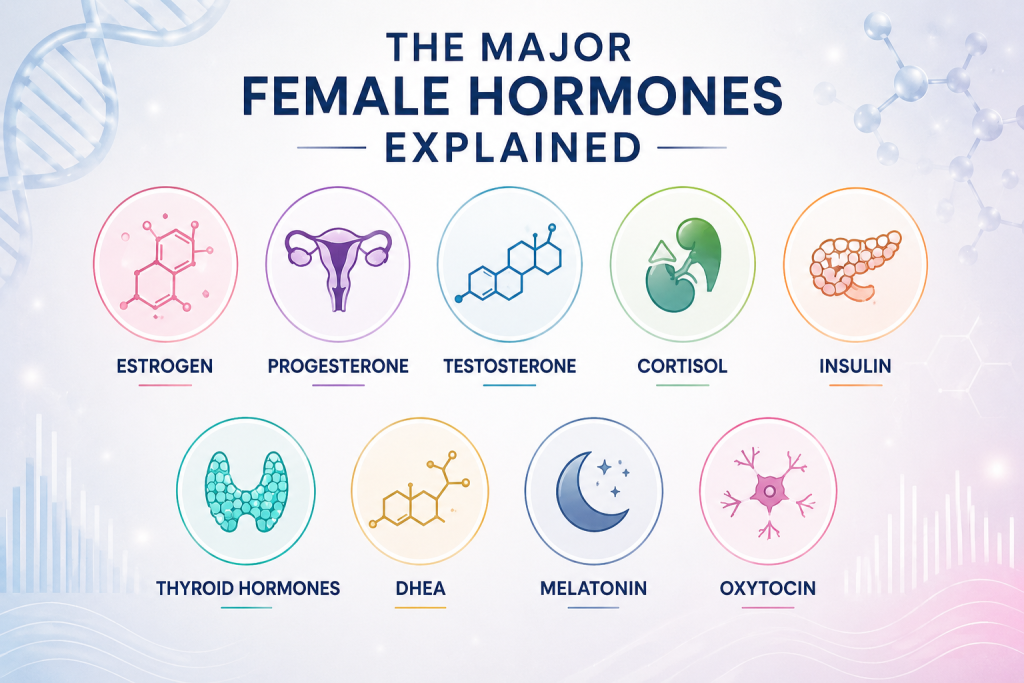
No single hormone determines a woman’s health. Instead, multiple hormones work together to regulate everything from reproductive function and metabolism to mood, sleep, and healthy aging.
Think of your hormones as members of the same team. Each has a specific role, but they rely on one another to keep your body functioning smoothly. When one hormone changes, others often adjust in response.
Let’s take a closer look at the major hormones that influence women’s health.
Estrogen is often considered the primary female sex hormone, but it does far more than regulate the menstrual cycle. Produced mainly by the ovaries during the reproductive years, estrogen supports numerous organs and tissues throughout the body.
Estrogen helps:
Balanced estrogen supports:
Elevated estrogen levels may contribute to symptoms such as:
These symptoms can have multiple causes, so proper medical evaluation is important rather than assuming estrogen is solely responsible.
As estrogen declines, particularly during perimenopause and menopause women may experience:
Estrogen naturally rises during puberty, fluctuates throughout the reproductive years, begins becoming more variable during perimenopause, and declines significantly after menopause. These changes are a normal part of aging, although the timing and symptoms vary from person to person.
Progesterone is another essential reproductive hormone that works closely with estrogen. It is primarily produced after ovulation and plays an important role in preparing the uterus for pregnancy while supporting several other body functions.
Progesterone helps:
Many women notice that progesterone has a calming effect. Although sleep quality depends on many factors, normal progesterone production is associated with healthy sleep regulation during the reproductive years.
Natural fluctuations in progesterone may influence emotional well-being during different phases of the menstrual cycle. Significant hormonal changes around perimenopause may also contribute to mood variability in some women.
As ovulation becomes less consistent during perimenopause, progesterone production often decreases. This shift may contribute to irregular menstrual cycles and other hormonal changes commonly experienced during midlife.
Although testosterone is often considered a male hormone, women naturally produce small but important amounts in their ovaries and adrenal glands.
Healthy testosterone levels contribute to several aspects of women’s health.
Testosterone supports:
Testosterone contributes to sexual desire in women alongside estrogen and other hormones. Sexual wellness, however, is influenced by many physical, emotional, and relationship factors, not hormones alone.
Maintaining healthy testosterone levels supports muscle maintenance, especially when combined with resistance exercise and adequate dietary protein.
Some women experience changes in motivation and energy as testosterone levels gradually decline with age. Since fatigue has many possible causes, persistent symptoms should always be evaluated by a healthcare professional.
Cortisol is commonly called the “stress hormone,” but its role extends far beyond stress. Produced by the adrenal glands, cortisol helps the body respond to challenges while regulating many everyday functions.
Cortisol helps regulate:
Short-term cortisol increases are a normal part of life. However, ongoing stress may disrupt healthy hormonal communication, affecting sleep, appetite, energy, and emotional well-being.
Long-term stress may contribute to lifestyle habits that influence weight management and sleep quality. Supporting stress resilience through regular exercise, adequate sleep, relaxation techniques, and healthy nutrition can benefit overall hormonal health.
Insulin is a hormone produced by the pancreas that helps regulate blood sugar levels. Every time you eat, insulin helps move glucose from the bloodstream into your cells, where it is used for energy or stored for future needs.
Although insulin is best known for its role in blood sugar management, it also has a significant influence on metabolism, body weight, and hormonal health.
Healthy insulin function helps:
When insulin works efficiently, your body can better maintain steady energy throughout the day.
Insulin also influences how the body stores and uses fat. Over time, reduced insulin sensitivity (often called insulin resistance) can make it more difficult for the body to regulate blood sugar and maintain a healthy weight.
Lifestyle habits such as regular exercise, balanced nutrition, adequate sleep, and maintaining a healthy weight can help support normal insulin function.
Insulin resistance is commonly associated with Polycystic Ovary Syndrome (PCOS), one of the most common hormonal conditions affecting women of reproductive age. While not every woman with PCOS has insulin resistance, improving metabolic health is often an important part of overall management under medical guidance.
The thyroid gland produces hormones that regulate how quickly the body uses energy. These hormones affect nearly every organ system and play a central role in maintaining overall health.
Healthy thyroid function supports:
Thyroid hormones help determine how efficiently your body converts food into usable energy. Changes in thyroid function may affect weight, energy levels, and exercise tolerance.
Feeling unusually cold or hot may sometimes be related to thyroid function, although many other factors can also contribute to changes in body temperature.
Persistent fatigue, dry skin, brittle nails, or hair thinning may occur with thyroid disorders. Since these symptoms overlap with many other health conditions, proper medical evaluation is essential for an accurate diagnosis.
Dehydroepiandrosterone (DHEA) is a hormone produced primarily by the adrenal glands. It serves as a precursor, meaning the body can convert it into estrogen and testosterone as needed.
DHEA contributes to:
DHEA levels naturally decline with age. Researchers continue to study how these changes may influence healthy aging, but the effects vary widely between individuals, and more evidence is needed to understand its broader role.
Melatonin is often called the sleep hormone because it helps regulate the body’s internal clock, also known as the circadian rhythm.
Melatonin production increases in the evening, helping prepare the body for sleep, and decreases in the morning as you wake.
Healthy sleep supports numerous hormonal processes, including those involving cortisol, reproductive hormones, appetite regulation, and metabolism.
Consistent sleep allows the endocrine system to maintain healthy hormonal communication. Poor sleep, especially when chronic, may contribute to disruptions in multiple hormone pathways.
Oxytocin is commonly known as the bonding hormone because it plays a key role in social connection and emotional well-being.
Positive social interactions, physical affection, and supportive relationships may naturally promote oxytocin release, contributing to emotional well-being and helping counterbalance the effects of chronic stress.
Hormones rarely work in isolation. Instead, they form an interconnected communication network that constantly adjusts to keep your body functioning efficiently.
This communication occurs through a series of feedback loops, where one gland signals another to increase or decrease hormone production based on the body’s needs.
For example:
Because these hormones are interconnected, changes in one system can influence several others. This is why hormonal symptoms often overlap and why a whole-body approach to health is generally more effective than focusing on a single hormone alone.
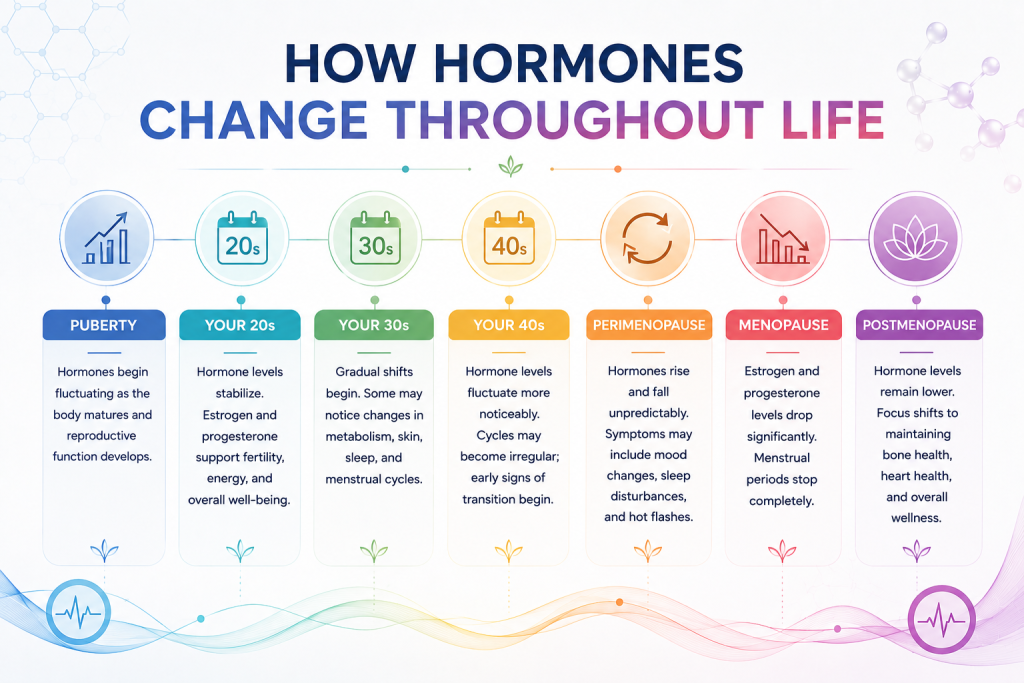
Hormonal changes are a normal part of every woman’s life. While the timing varies between individuals, each life stage brings predictable shifts that influence physical and emotional health.
During puberty, estrogen and progesterone levels begin to rise, triggering reproductive development.
Common changes include:
For many women, hormone production is relatively stable during their 20s.
This stage is often characterized by:
Lifestyle habits established during this decade can have lasting effects on long-term hormonal health.
Hormonal changes may begin gradually during the 30s.
Some women notice:
Many women continue to have regular cycles during this stage.
The 40s often mark the beginning of more noticeable hormonal transitions.
Hormone levels may fluctuate more significantly, contributing to symptoms such as:
Perimenopause is the transitional phase leading up to menopause. It can last several years and is characterized by fluctuating estrogen and progesterone levels.
Common symptoms include:
Not every woman experiences the same symptoms or severity.
Menopause is officially diagnosed after 12 consecutive months without a menstrual period.
At this stage:
Many women also experience changes in metabolism, bone health, cardiovascular health, and body composition during this transition.
Postmenopause refers to the years following menopause.
Although hormone levels stabilize at lower levels, healthy lifestyle habits remain essential for supporting:
Regular preventive healthcare becomes increasingly important during this stage.
Hormonal changes affect every woman differently. Some symptoms may be temporary and related to normal life stages, while persistent or severe symptoms may warrant medical evaluation.
Common signs include:
These symptoms can have many possible causes beyond hormones, which is why professional assessment is important when symptoms persist or interfere with daily life.
Hormonal changes can occur for many reasons. Some are a normal part of aging, while others may be influenced by lifestyle factors or underlying medical conditions.
Common contributing factors include:
In many cases, several factors interact rather than a single cause. Understanding these influences can help women make informed lifestyle choices and know when to seek professional medical guidance.
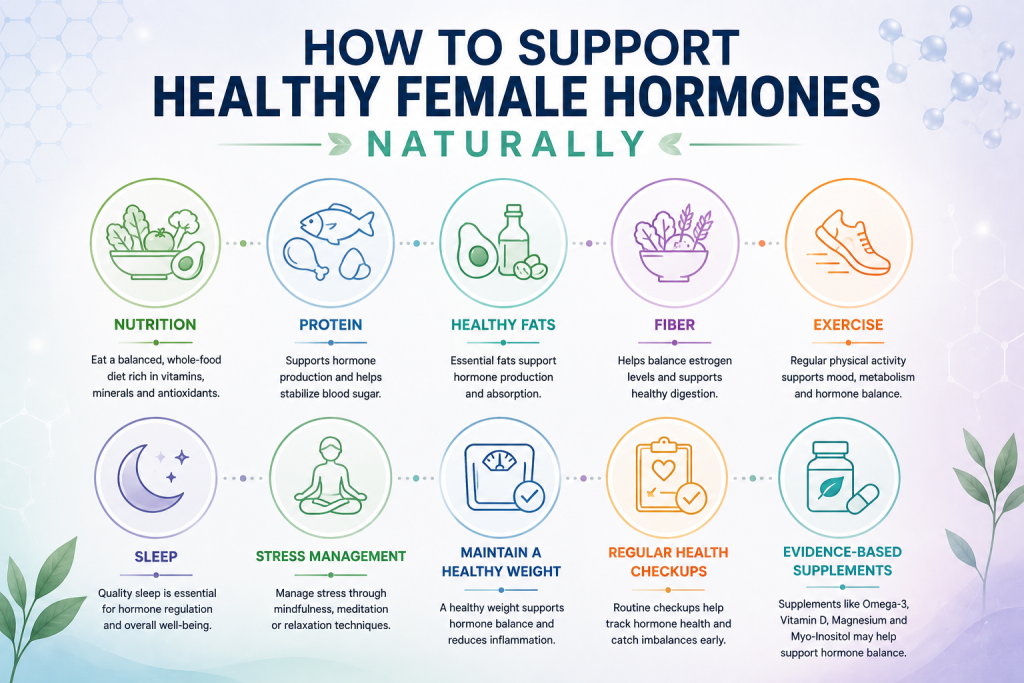
While hormonal changes are a normal part of life, healthy daily habits can support your body’s natural hormone regulation and overall well-being. Although no single food, supplement, or lifestyle change can “balance” every hormone, adopting a holistic approach can positively influence many aspects of hormonal health.
A nutrient-rich, balanced diet provides the building blocks your body needs to produce hormones and support the endocrine system.
Focus on:
Limiting highly processed foods, excess added sugars, and excessive alcohol intake may also support overall metabolic health.
Protein provides amino acids that help maintain muscle tissue and support many biological processes throughout the body.
Good protein sources include:
Including protein with each meal may also help support satiety and healthy blood sugar regulation.
Healthy fats play an important role in overall health and are essential for normal hormone production.
Consider incorporating:
These foods also provide nutrients that support heart and brain health.
Fiber supports digestive health and contributes to a healthy gut microbiome, which plays an important role in overall wellness.
Fiber-rich foods include:
Eating a variety of plant foods can also increase the diversity of beneficial gut bacteria.
Regular physical activity supports many systems involved in hormonal health.
Benefits include:
Aim for a combination of:
Choose activities you enjoy so they become part of your long-term routine.
Quality sleep is one of the most important and often overlooked components of hormonal wellness.
Healthy sleep supports:
Helpful sleep habits include:
Chronic stress affects far more than emotional health. It also influences hormonal communication throughout the body.
Healthy stress-management strategies include:
Even small daily habits can contribute to greater resilience over time.
Body weight and hormonal health influence one another. Maintaining a healthy weight through balanced nutrition and regular movement can support metabolic function and reduce the risk of certain hormone-related health concerns.
Rather than focusing on restrictive diets, prioritize sustainable lifestyle habits that promote long-term wellness.
Routine medical care can help identify hormonal changes early and provide personalized recommendations based on your health history.
Depending on your age, symptoms, and individual risk factors, your healthcare professional may recommend:
Preventive care is an important part of supporting lifelong hormonal health.
Some nutrients and dietary supplements are commonly studied for their potential role in supporting overall hormonal wellness. These may include:
Individual needs vary, and supplements should not replace a balanced diet or appropriate medical care. Before starting any supplement, consult a qualified healthcare professional to determine whether it is appropriate for your personal health needs.
Researchers are also exploring emerging areas of wellness, including peptide science. While interest in peptide research continues to grow, many peptides are still being investigated, and their use may not be appropriate or approved for all situations. Educational resources from Ascenda Labs can help readers stay informed about developments in this evolving field.
Occasional hormonal fluctuations are normal, but persistent or significant symptoms should not be ignored.
Consider speaking with a healthcare professional if you experience:
Early evaluation can help identify underlying causes and guide appropriate treatment or lifestyle recommendations.
Hormones are far more than reproductive regulators. They are powerful chemical messengers that influence nearly every aspect of a woman’s physical and emotional health. From puberty through postmenopause, changing hormone levels shape energy, metabolism, mood, sleep, bone health, heart health, and overall well-being.
While hormonal fluctuations are a natural part of life, ongoing symptoms such as persistent fatigue, irregular menstrual cycles, unexplained weight changes, or significant mood disturbances deserve attention rather than being accepted as “normal.” Understanding how hormones work together and recognizing the factors that influence them can help you make informed decisions about your health.
Supporting hormonal wellness doesn’t require chasing quick fixes. Instead, consistent lifestyle habits, preventive healthcare, and evidence-based guidance provide a strong foundation for long-term health. Every woman’s hormonal journey is unique, and partnering with a qualified healthcare professional can help you navigate changes with confidence and clarity.
Whether you’re just beginning to learn about female hormones or navigating perimenopause and beyond, knowledge is one of the most valuable tools for protecting your health at every age.
Female hormones are chemical messengers produced by the endocrine system that regulate reproduction, metabolism, mood, sleep, energy, bone health, and many other body functions. They work together to coordinate communication between organs and naturally change throughout every stage of a woman’s life.
The primary hormones involved in women’s health include estrogen, progesterone, testosterone, cortisol, insulin, thyroid hormones, DHEA, melatonin, and oxytocin. Each hormone contributes to different aspects of physical, emotional, metabolic, and reproductive health.
Hormonal imbalances may result from natural aging, perimenopause, menopause, chronic stress, inadequate sleep, poor nutrition, thyroid disorders, insulin resistance, PCOS, certain medications, or other medical conditions. A healthcare professional can help determine the underlying cause of persistent symptoms.
Yes. Hormone levels naturally fluctuate during puberty, the reproductive years, pregnancy, perimenopause, menopause, and postmenopause. These changes are a normal part of aging, although the timing and symptoms vary among individuals.
Women can support overall hormonal wellness by eating a balanced diet, staying physically active, prioritizing quality sleep, managing stress, maintaining a healthy weight, attending regular medical checkups, and discussing any persistent symptoms with a qualified healthcare professional.

Understanding your hormones is the first step toward making informed health decisions. If you’d like to learn more about women’s wellness, healthy aging, longevity science, and emerging peptide research, explore the educational resources available from Ascenda Labs.
Our science-focused content is designed to help you better understand the latest research, practical lifestyle strategies, and evolving wellness topics, empowering you to make informed choices alongside guidance from qualified healthcare professionals.
By continuing to build your understanding of hormonal health, you’ll be better equipped to support your well-being through every stage of life.
Hormones are the body’s chemical messengers, regulating essential functions such as metabolism,
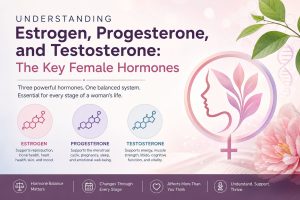
Hormones are the body’s chemical messengers, helping different organs and systems communicate
Peptide purification is a critical step in research that ensures your peptides
Peptide synthesis has gone from being a niche laboratory technique to a