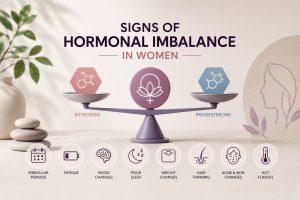
Signs of Hormonal Imbalance in Women: Causes, Symptoms & Wellness Strategies
Hormones are the body’s chemical messengers, regulating essential functions such as metabolism,

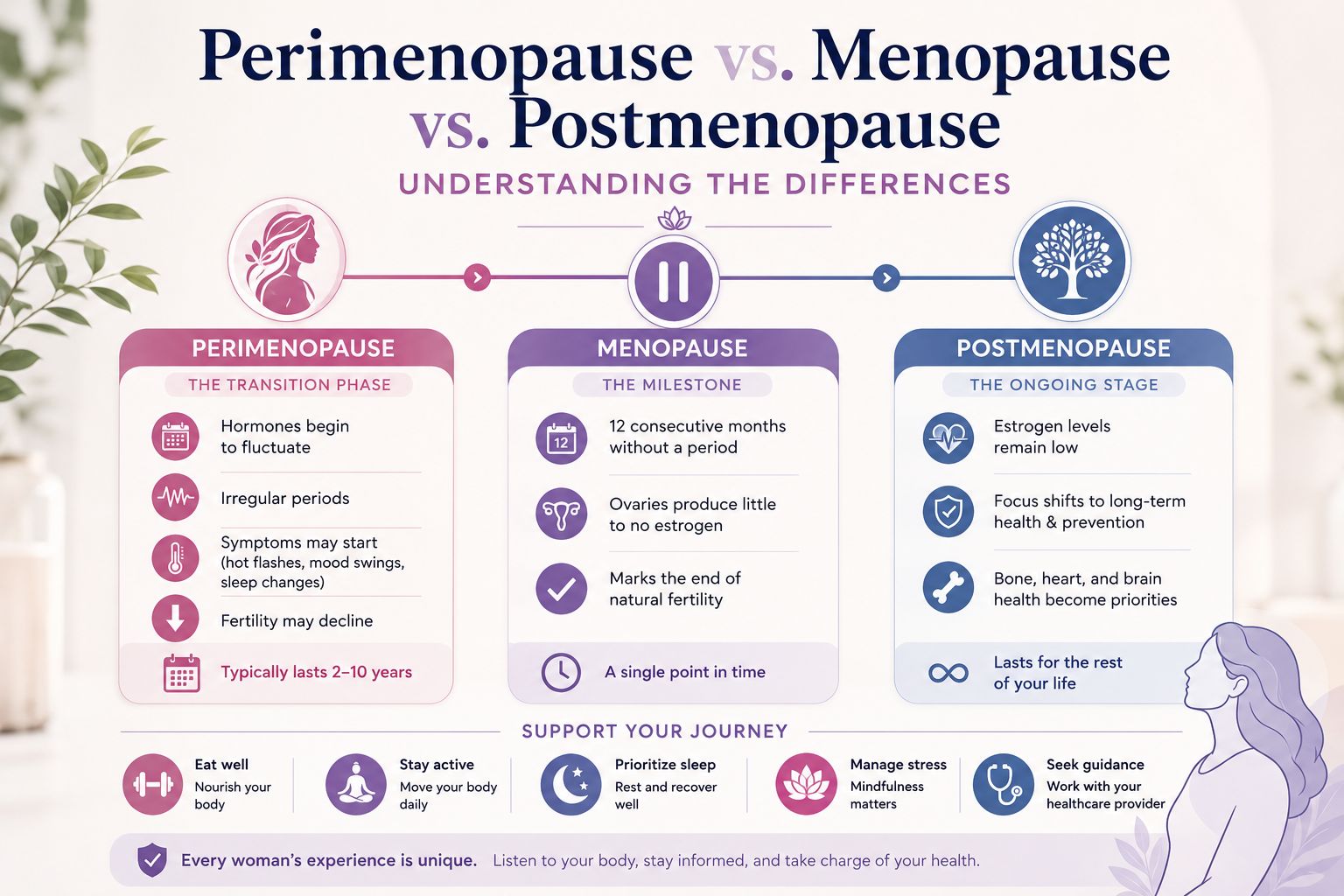
Hormonal changes are a natural part of aging, but the terms perimenopause, menopause, and postmenopause are often confused. Although they are connected, each stage represents a different phase of the menopausal transition and comes with its own hormonal shifts, symptoms, and health considerations. Understanding where you are in this journey can help you better recognize changes in your body, make informed lifestyle choices, and know when to seek medical guidance.
Many women begin noticing changes in their late 30s or 40s, such as irregular periods, sleep disturbances, mood changes, or hot flashes, without realizing they may be entering perimenopause. Others wonder whether they’ve reached menopause or what to expect during postmenopause. Because every woman’s experience is unique, knowing the differences between these stages can help reduce uncertainty and support informed conversations with a healthcare professional.
In this comprehensive guide, you’ll learn the key differences among perimenopause, menopause, and postmenopause, including the hormonal changes that occur during each stage, common symptoms, timelines, long-term health considerations, and practical lifestyle strategies to support healthy aging and overall well-being.
Perimenopause, menopause, and postmenopause are three distinct stages of the natural menopausal transition. Perimenopause is the transitional period leading up to menopause, during which hormone levels fluctuate and menstrual cycles become irregular. Menopause is officially diagnosed after 12 consecutive months without a menstrual period. Postmenopause is the stage that begins after menopause and continues for the rest of a woman’s life, when hormone levels remain consistently lower and long-term health becomes an important focus.
| Stage | What Happens | Typical Age | Main Characteristics |
| Perimenopause | Hormones begin fluctuating | Usually 40–50 (sometimes late 30s) | Irregular periods, changing hormone levels, symptoms begin |
| Menopause | Menstrual periods permanently stop | Average age around 51 | Diagnosed after 12 consecutive months without a period |
| Postmenopause | Life after menopause | Begins immediately after menopause | Hormones stabilize at lower levels; focus shifts to long-term health |
Although these stages are part of the same biological process, they differ in hormone activity, fertility, symptoms, and health priorities. Understanding where you are on the menopause timeline can help you better manage symptoms and support your overall wellness.
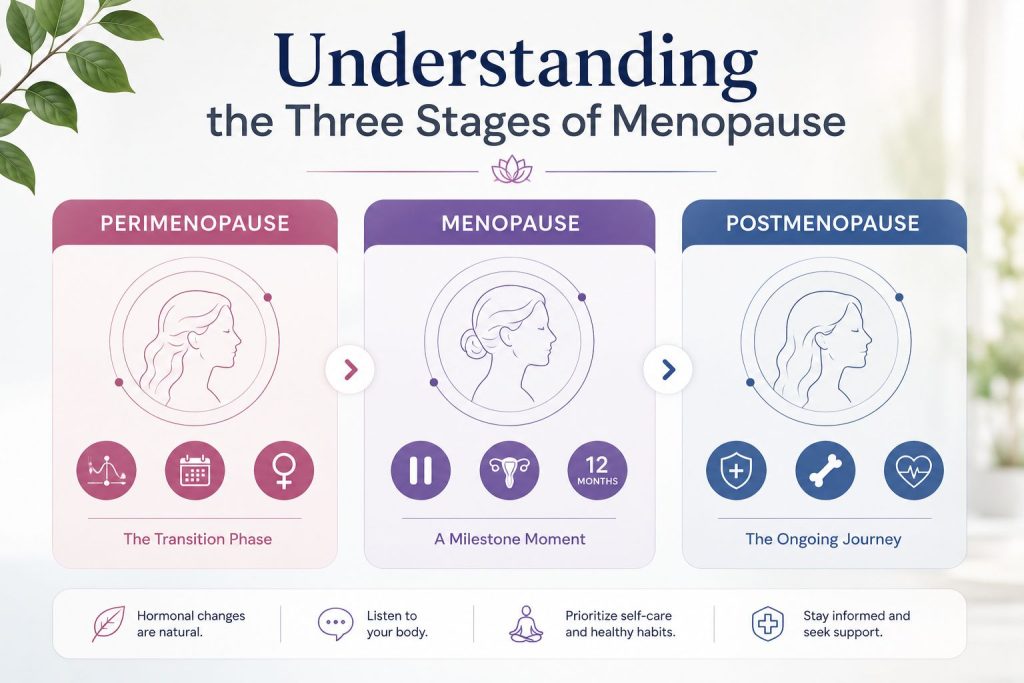
The menopausal transition doesn’t happen overnight. Instead, it unfolds gradually over several years as the ovaries naturally produce less estrogen and progesterone. These changing hormone levels influence many systems throughout the body, including reproductive health, metabolism, sleep, mood, bone health, and cardiovascular function.
The three recognized menopause stages are:
Each stage has its own hormonal patterns, symptoms, and health considerations.
Perimenopause is the transitional stage before menopause, when the ovaries gradually begin producing lower and more unpredictable amounts of estrogen and progesterone. It marks the beginning of the body’s natural shift away from regular reproductive function.
The word “perimenopause” literally means “around menopause.” During this time, hormone levels fluctuate significantly rather than declining in a steady pattern. Because of these hormonal ups and downs, symptoms may vary from month to month and even from one menstrual cycle to the next.
Many women first notice subtle changes, while others experience more noticeable symptoms that affect daily life.
Perimenopause commonly begins between 40 and 50 years of age, although some women may enter this stage in their late 30s, while others begin later. The timing varies based on genetics, overall health, and individual biological factors.
For most women, perimenopause lasts approximately four to eight years, although the duration varies considerably. Some women transition more quickly, while others experience hormonal fluctuations for a longer period before reaching menopause.
The hallmark of perimenopause is fluctuating hormone levels, especially:
These hormone fluctuations are responsible for many of the physical and emotional changes experienced during this stage.
Although symptoms differ from person to person, common perimenopause symptoms include:
Some women experience only a few mild symptoms, while others notice several that fluctuate over time.
Although fertility naturally declines during perimenopause, pregnancy is still possible because ovulation may continue intermittently. Women who do not wish to become pregnant should continue discussing appropriate contraception with their healthcare provider until menopause has been confirmed.
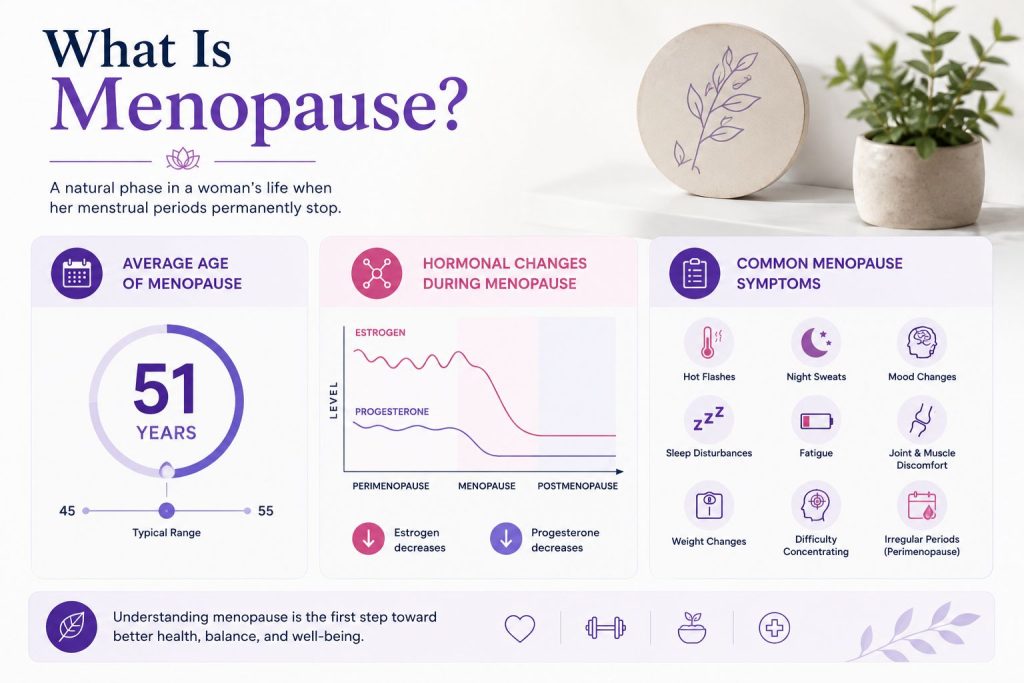
Menopause is not a gradual process but a specific point in time. It is officially diagnosed after a woman has gone 12 consecutive months without a menstrual period, provided there is no other medical explanation for the absence of menstruation.
At this point, the ovaries have largely stopped releasing eggs, and estrogen and progesterone production has significantly declined.
Menopause represents the end of the reproductive years, but it is also the beginning of a new stage of healthy aging.
Natural menopause typically occurs around 51 years of age, although many women experience it between 45 and 55 years. Some may reach menopause earlier or later due to genetics, certain medical treatments, or surgical procedures affecting ovarian function.
During menopause:
These hormonal changes contribute to many of the classic menopause symptoms that women often recognize.
Common menopause symptoms include:
Not every woman experiences the same symptoms or the same level of severity. Some transition through menopause with relatively mild symptoms, while others may benefit from medical evaluation and individualized treatment options.
Postmenopause is the stage that begins immediately after menopause and continues for the remainder of a woman’s life. Once a woman has gone 12 consecutive months without a menstrual period, she is considered postmenopausal.
Unlike perimenopause, when hormone levels fluctuate dramatically, postmenopause is characterized by more stable but consistently lower levels of estrogen and progesterone.
Although many symptoms such as hot flashes gradually improve over time, lower estrogen levels continue to influence several aspects of long-term health.
During postmenopause:
The body gradually adapts to this new hormonal environment, and many women find that certain symptoms become less frequent. However, others—such as vaginal dryness—may persist and require ongoing management.
Because estrogen supports multiple body systems, postmenopause symptoms may extend beyond the reproductive system and involve overall health. Areas that deserve continued attention include:
Regular medical checkups, healthy nutrition, physical activity, and preventive care become increasingly important during this stage.
Postmenopause is not simply the end of reproductive years—it is an opportunity to focus on long-term wellness. Many women continue to lead active, healthy lives by prioritizing balanced nutrition, regular exercise, quality sleep, stress management, and routine healthcare.
At Ascenda Labs, we believe that education empowers healthier decisions. Staying informed about female hormone changes and healthy aging can help women navigate postmenopause with greater confidence and make evidence-based choices that support lifelong well-being.
Understanding the differences between perimenopause vs. menopause vs. postmenopause is easier when you compare the stages side by side. While all three are part of the same natural hormonal transition, they differ in hormone levels, menstrual patterns, fertility, symptoms, and long-term health priorities.
| Feature | Perimenopause | Menopause | Postmenopause |
| Definition | Transitional phase before menopause | Officially diagnosed after 12 consecutive months without a menstrual period | Stage that begins after menopause and continues for life |
| Typical Age | Usually 40–50 (sometimes late 30s) | Average age around 51 | Begins immediately after menopause |
| Estrogen Levels | Fluctuate unpredictably | Decline significantly | Remain consistently low |
| Progesterone Levels | Gradually decrease | Very low | Remain low |
| FSH Levels | Begin rising | Elevated | Remain elevated |
| Menstrual Cycle | Irregular | Has stopped for 12 months | No menstrual periods |
| Ovulation | Occurs irregularly | Stops permanently | Does not occur |
| Pregnancy Possible? | Yes, although fertility declines | No | No |
| Typical Duration | About 4–8 years (varies) | A single point in time | Lifelong |
| Common Symptoms | Irregular periods, hot flashes, mood changes, sleep problems | Hot flashes, night sweats, vaginal dryness, fatigue | Some symptoms improve, while bone, heart, and urinary health become important focuses |
| Health Priorities | Managing symptoms and understanding hormonal changes | Symptom management and confirming menopause | Healthy aging, preventive care, and long-term wellness |
Although every woman’s experience is unique, this comparison highlights how hormone activity changes throughout the menopause timeline. Recognizing these differences can help you better understand your symptoms and have more informed conversations with your healthcare provider.
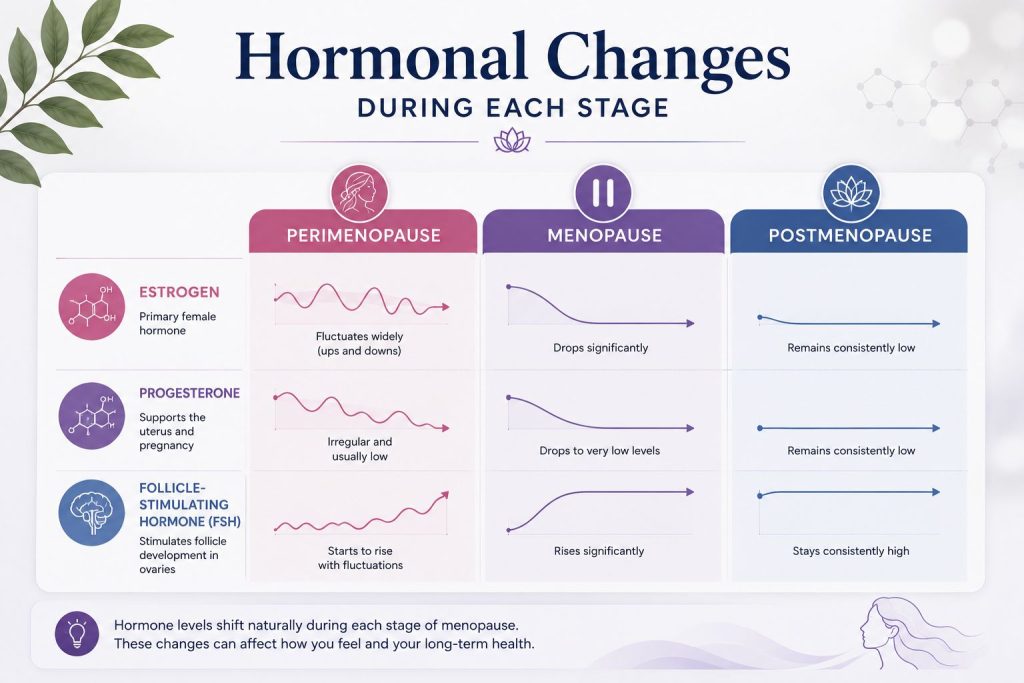
The symptoms associated with menopause are primarily driven by changes in hormone production. The ovaries gradually reduce their production of reproductive hormones, affecting not only the menstrual cycle but also the brain, bones, heart, muscles, skin, metabolism, and urinary system.
Understanding these hormonal shifts can make it easier to see why symptoms vary throughout each stage.
Estrogen is one of the body’s most important female sex hormones. It supports reproductive health while also helping regulate bone strength, cardiovascular function, skin elasticity, brain health, and metabolism.
Estrogen levels do not simply decline—they fluctuate dramatically. One month estrogen may be relatively high, while the next it may drop considerably. These unpredictable swings are responsible for many early symptoms, including:
Because estrogen levels continue to rise and fall throughout perimenopause, symptoms often come and go rather than remaining constant.
By the time menopause is reached, estrogen production has declined significantly as ovarian activity decreases.
Lower estrogen levels contribute to many well-known menopause symptoms, including:
After menopause, estrogen remains consistently low. While many women notice fewer hot flashes over time, reduced estrogen continues to influence several areas of long-term health, including:
This is one reason preventive healthcare and healthy lifestyle habits become increasingly important after menopause.
Progesterone works alongside estrogen to regulate the menstrual cycle and support pregnancy. It also plays a role in sleep, mood, and overall reproductive function.
Progesterone is usually the first major hormone to decline because ovulation becomes less frequent.
Lower progesterone levels may contribute to:
Once ovulation permanently stops, progesterone production decreases to consistently low levels.
This change marks the end of natural fertility and contributes to the completion of the menopausal transition.
Progesterone remains low throughout postmenopause. At this stage, the body has fully adapted to functioning without regular ovulation or menstrual cycles.
Follicle-stimulating hormone (FSH) is produced by the pituitary gland and helps regulate ovarian function.
As the ovaries become less responsive with age, the body produces more FSH in an attempt to stimulate egg development.
FSH levels begin rising, although they may fluctuate considerably from cycle to cycle.
Because hormone levels can change rapidly during this stage, a single FSH test is not always enough to determine whether someone is in perimenopause.
FSH levels remain significantly elevated because the ovaries no longer respond as they did during the reproductive years.
Persistently high FSH levels are one factor healthcare professionals may consider when evaluating menopausal status alongside menstrual history and symptoms.
FSH generally remains elevated throughout postmenopause while estrogen and progesterone stay consistently low.
One of the most confusing aspects of perimenopause is that hormone levels do not decline in a smooth, predictable pattern.
Instead, ovarian function gradually becomes less consistent. Some menstrual cycles still involve ovulation, while others do not. As a result:
This explains why women often report feeling completely normal for several weeks, only to experience hot flashes, mood changes, or irregular periods again shortly afterward.
Although every woman experiences menopause differently, recognizing symptom patterns can help identify where you are in the menopausal transition. Some symptoms overlap across stages, while others become more or less noticeable as hormone levels change.
Perimenopause is often associated with the widest variety of symptoms because hormone levels fluctuate significantly.
Common perimenopause symptoms include:
Symptoms may vary in intensity from month to month. Some women experience only mild changes, while others notice symptoms that affect work, sleep, and daily activities.
When menopause is reached, menstrual periods have stopped for 12 consecutive months, and estrogen levels have declined significantly.
Common menopause symptoms include:
For many women, hot flashes and night sweats become the most recognizable signs of menopause, although their frequency and severity vary widely.
After menopause, some symptoms gradually become less intense, while others related to lower estrogen levels may continue.
Common postmenopause symptoms include:
At this stage, healthcare providers often place greater emphasis on preventing chronic conditions associated with aging and estrogen decline rather than managing short-term hormonal fluctuations.
Postmenopause is an important time to focus on:
| Symptom | Perimenopause | Menopause | Postmenopause |
| Irregular periods | ✓ | ✗ | ✗ |
| Hot flashes | ✓ | ✓ | Sometimes |
| Night sweats | ✓ | ✓ | Sometimes |
| Mood changes | ✓ | ✓ | Sometimes |
| Sleep disturbances | ✓ | ✓ | Sometimes |
| Brain fog | ✓ | ✓ | May improve |
| Vaginal dryness | Sometimes | ✓ | ✓ |
| Reduced libido | ✓ | ✓ | May continue |
| Bone health concerns | Emerging | Increasing | Ongoing focus |
| Heart health considerations | Emerging | Increasing | Long-term priority |
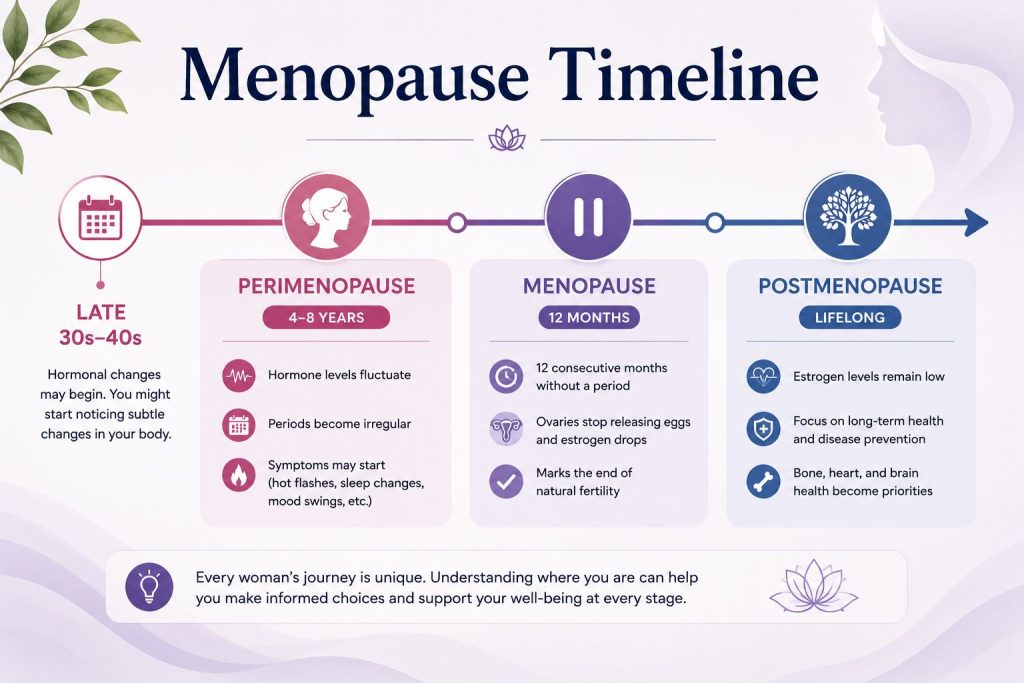
The answer varies from person to person because every hormonal transition is unique. Genetics, overall health, lifestyle, and certain medical conditions can all influence when menopause begins and how long each stage lasts.
Although the timeline differs for every individual, understanding the typical progression can help set realistic expectations and reduce uncertainty during this natural life transition.
The menopausal transition typically follows this sequence:
Perimenopause → Menopause → Postmenopause
| Stage | Typical Age |
| Perimenopause | Late 30s to early 50s (most often 40–50) |
| Menopause | Average age around 51 |
| Postmenopause | Begins after menopause and continues for life |
It’s important to remember that these ages represent averages. Some women experience menopause earlier or later than expected due to genetics, certain medical treatments, or surgical removal of the ovaries.
No two menopause journeys are exactly alike.
Some women experience only mild symptoms for a few years, while others notice hormonal changes over a longer period. Factors that may influence the experience include:
Rather than comparing your experience to someone else’s, focus on understanding your own symptoms and discussing any concerns with a qualified healthcare professional.
A common misconception is that pregnancy is no longer possible once menopause symptoms begin. In reality, pregnancy can still occur during perimenopause, even though fertility naturally declines with age.
During perimenopause, ovulation becomes less predictable rather than stopping immediately.
Some months the ovaries release an egg, while in other months they do not. Because ovulation can still occur, pregnancy remains possible until menopause has been officially reached.
Although the chances of conception decrease with age, they do not become zero during perimenopause.
Hormonal fluctuations mean that:
For women who are not planning a pregnancy, irregular periods should not be considered reliable contraception.
Natural fertility ends after menopause has been confirmed.
Healthcare professionals define menopause as:
12 consecutive months without a menstrual period when no other medical cause explains the absence of menstruation.
After this point:
Women who wish to avoid pregnancy should continue discussing contraception options with their healthcare provider until menopause has been confirmed.
The most appropriate method depends on individual health history, age, and personal circumstances, making personalized medical advice especially important during this transitional stage.
While many women notice that hot flashes and other short-term symptoms gradually improve after menopause, lower estrogen levels continue to influence several aspects of long-term health.
This doesn’t mean health problems are inevitable. Instead, it highlights the importance of preventive care and healthy lifestyle habits that support overall well-being throughout postmenopause.
Estrogen helps maintain normal bone remodeling. After menopause, reduced estrogen levels can accelerate bone loss, increasing the risk of osteoporosis and fractures over time.
Supporting bone health may include:
Maintaining strong bones becomes an important priority throughout postmenopause.
Estrogen also influences cardiovascular function.
As hormone levels decline, age-related changes in blood vessels and cholesterol may contribute to an increased risk of cardiovascular disease.
Heart-healthy habits include:
Small lifestyle improvements practiced consistently can have meaningful long-term benefits.
Many women report temporary memory lapses or difficulty concentrating during perimenopause and menopause.
Although these symptoms often improve, supporting brain health remains important throughout aging.
Helpful habits include:
These strategies support cognitive wellness while contributing to overall quality of life.
Beginning in midlife, women naturally lose muscle mass as part of the aging process.
Combined with hormonal changes, this may affect:
Resistance training performed regularly can help preserve muscle mass, improve balance, and support healthy aging.
Including adequate dietary protein and remaining physically active are also important components of long-term muscle health.
Many women notice changes in body composition during and after menopause.
These changes may include:
However, weight gain is not caused solely by menopause. Aging, activity level, sleep quality, nutrition, and genetics also play significant roles.
Healthy strategies include:
Rather than focusing only on the number on the scale, aim to build sustainable habits that support long-term metabolic health.
Postmenopause marks a new phase of life, not the end of vitality.
Many women remain active, energetic, and healthy for decades after menopause by adopting preventive wellness habits and working closely with their healthcare team.
Healthy aging involves caring for the whole body through:
Taking a proactive approach can help support independence, mobility, and overall quality of life in the years ahead.
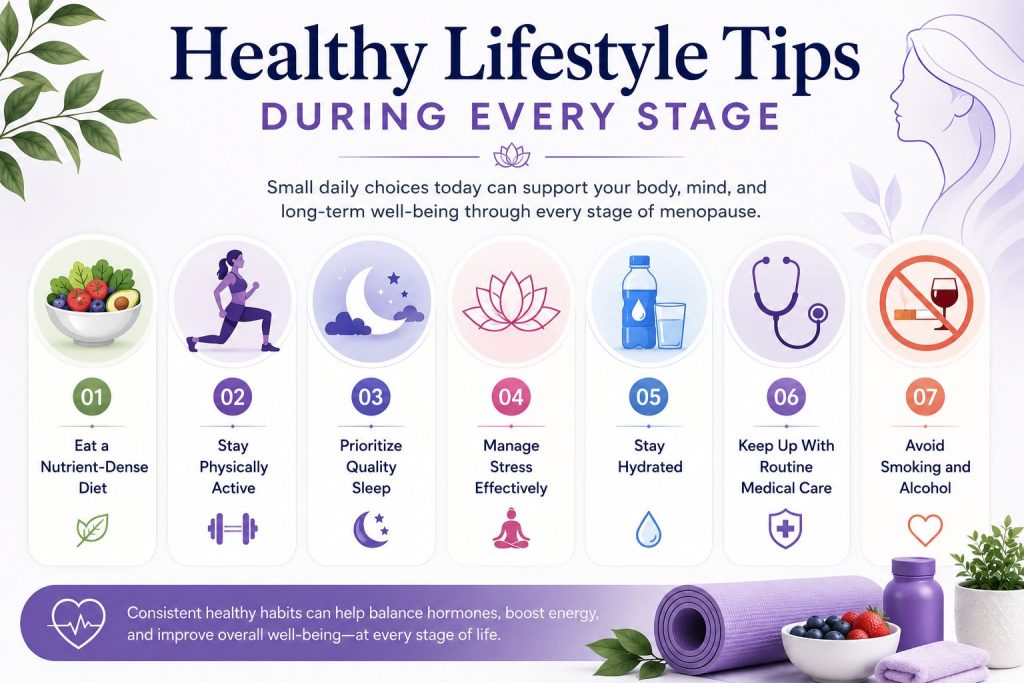
Although every woman’s menopause journey is different, healthy daily habits can support overall well-being during perimenopause, menopause, and postmenopause. While lifestyle changes cannot stop the natural aging process, they may help improve energy levels, support long-term health, and complement medical care when needed.
Nutrition plays an important role throughout the menopause transition. Hormonal changes can affect bone health, muscle mass, metabolism, and cardiovascular health, making balanced eating habits especially important.
Focus on a diet that includes:
Limiting highly processed foods, added sugars, and excessive sodium may also support overall health.
Regular exercise benefits nearly every system of the body during menopause.
A balanced fitness routine may include:
The goal is consistency rather than perfection. Even moderate physical activity performed regularly can provide meaningful health benefits.
Sleep disturbances are common during perimenopause and menopause, often due to hot flashes, night sweats, or changing hormone levels.
Healthy sleep habits include:
If sleep problems become persistent or significantly affect daily life, discuss them with a healthcare professional.
Hormonal fluctuations can sometimes make stress feel more difficult to manage.
Healthy stress-management strategies include:
Reducing chronic stress may also support better sleep and overall emotional well-being.
Adequate hydration supports many bodily functions and may help with overall comfort, especially for women experiencing hot flashes or dry skin.
Simple habits include:
Regular healthcare visits become increasingly important during midlife and beyond.
Your healthcare provider may recommend routine screenings based on your age, health history, and individual risk factors, including:
Preventive care helps identify potential health concerns early and supports long-term wellness.
Smoking is associated with earlier menopause and increased risks for several chronic health conditions, including cardiovascular disease and osteoporosis.
If you drink alcohol, doing so in moderation may help support overall health. If you have questions about alcohol use and menopause, consult your healthcare provider.
Every woman’s menopause experience is unique, and reliable information can make navigating this transition less overwhelming.
The Ascenda Labs Learning Center offers evidence-based educational content covering:
Our goal is to help readers make informed health decisions through trustworthy educational resources grounded in current scientific understanding.
Many menopause symptoms can be managed with lifestyle adjustments or medical guidance. However, some symptoms should always be evaluated by a qualified healthcare professional.
Seek medical advice if you experience:
Persistent symptoms that interfere with sleep, work, or daily activities deserve professional evaluation.
Very heavy menstrual bleeding, bleeding between periods, or bleeding after menopause should never be ignored.
Persistent pelvic pain or significant discomfort may have causes unrelated to menopause and should be assessed by a healthcare provider.
Ongoing depression, anxiety, or mood changes that interfere with relationships or daily functioning should be discussed with a healthcare professional.
Any vaginal bleeding after menopause warrants prompt medical evaluation, even if it seems minor.
If you’re experiencing symptoms but aren’t sure whether you’re in perimenopause, menopause, or postmenopause, your healthcare provider can review your medical history, symptoms, and other relevant factors to help determine your stage and discuss appropriate management options.
The transition through perimenopause, menopause, and postmenopause is a natural part of healthy aging, and each stage brings unique hormonal changes, symptoms, and health considerations.
Here are the key points to remember:
Understanding these menopause stages can help you recognize changes in your body, make informed health decisions, and confidently navigate every phase of the menopausal transition.
Perimenopause usually involves irregular periods, fluctuating hormones, and symptoms like hot flashes or sleep changes. Menopause is officially diagnosed after 12 consecutive months without a menstrual period, provided no other medical condition is responsible.
Postmenopause begins immediately after menopause and continues for the rest of a woman’s life. During this stage, hormone levels remain consistently lower, and long-term health focuses on supporting bone, heart, metabolic, and overall wellness.
The three stages of menopause are perimenopause, menopause, and postmenopause. Perimenopause is the transition before menopause, menopause marks 12 months without a period, and postmenopause is the lifelong stage that follows.
Yes. Pregnancy is still possible during perimenopause because ovulation may continue even when menstrual cycles become irregular. Women who wish to avoid pregnancy should use appropriate contraception until menopause has been officially confirmed.
Natural menopause typically occurs around age 51, although many women experience it between ages 45 and 55. The timing varies based on genetics, overall health, lifestyle factors, and certain medical conditions or treatments.
After menopause, estrogen and progesterone remain consistently low while follicle-stimulating hormone (FSH) stays elevated. These hormonal changes contribute to the end of fertility and increase the importance of maintaining long-term health and wellness.

Menopause is one chapter in a lifelong journey of health and wellness. At Ascenda Labs, we’re committed to providing science-based educational resources that help you better understand female hormone changes, healthy aging, and emerging longevity research.
Explore the Ascenda Labs Learning Center for trusted articles on hormonal wellness, nutrition, exercise, and healthy aging. Whether you’re entering perimenopause, navigating menopause, or embracing postmenopause, our evidence-based content is designed to support informed decisions and lifelong well-being.
If you’re experiencing persistent or concerning symptoms, consult a qualified healthcare professional for personalized evaluation, diagnosis, and treatment recommendations.
Hormones are the body’s chemical messengers, regulating essential functions such as metabolism,
Hormones are the body’s chemical messengers, helping different organs and systems communicate
Hormones influence nearly every aspect of a woman’s health, from energy levels
Peptide purification is a critical step in research that ensures your peptides